
Chimney Repairs · Hounslow & west London
Chimney Repairs In Hounslow
When did anyone last look at your chimney?
Stacks repointed, flashed, capped and kept - because taking them down is usually the lazy answer
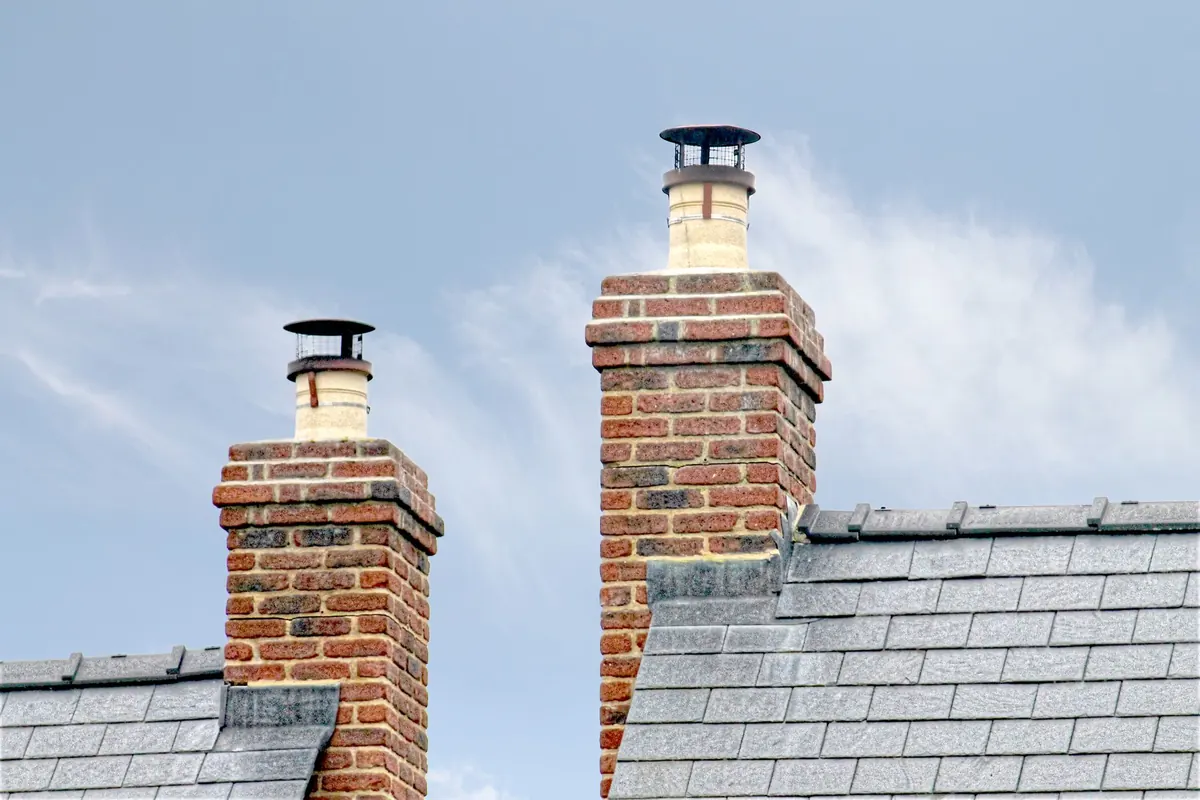
Nearly every chimney in Hounslow retired decades ago. Central heating arrived, the fires went out, and a few hundred thousand brick stacks became ornaments - ornaments that weigh half a tonne, stand at the highest, most weather-beaten point of the house, and haven't had maintenance since the fires they served went cold. They fail slowly and politely: mortar joints going sandy, flaunching cracking around the pots, flashings letting a cupful of water down the breast per storm. Then a gale or a hard frost calls time. We repair chimneys at every stage of that story, and the earlier you're in it, the smaller the bill.
Free chimney repairs survey
Pop your details in and we'll call you back to book the survey. It costs nothing, it obliges you to nothing, and if the honest verdict is that your roof needs no work, that verdict is exactly what you'll get.
Who runs Watertight
Two sets of eyes on your chimney
A chimney repair can be a morning's repointing or a scaffold and a rebuild, and the price depends on spotting which. Brothers John and Mark, who run Watertight as a family firm, often look at a stack together and go through the costs as a pair before you see a quote.
After that, both of them know your job. If a question comes up halfway through and one brother is on another roof, the other can answer it without starting from scratch.
10 years
Written workmanship guarantee
Free
Surveys, quotes and second opinions
Same day
Response aim for active leaks
TW5 based
Minutes from most of the patch
What you've noticed, and what it usually means
Every job starts with something a homeowner spotted. These are the ones Hounslow rings us about, matched to what our surveys tend to find behind them.
Mortar crumbs on the roof slope or in the gutter
The joints are powdering and shedding - the chimney equivalent of finding your own hair on the pillow. It means the mortar has stopped gripping and rain is now working directly on the brick. Caught here, it's a repoint. Ignored, the frost gets in and starts spalling the brick faces off.
Damp on the chimney breast after rain
Water is getting in above - failed flashing at the roofline, cracked flaunching at the top, or brick that's become porous - and soaking down inside the stack. A dead flue with a sealed-up fireplace makes it worse: no airflow, so the masonry never dries between soakings.
The stack looks off-vertical from the garden
Sometimes it's honest subsidence history - the London clay under this borough shifts with wet and dry years and old stacks record it. Sometimes it's sulphate attack inside the flue slowly bowing the brickwork. Either way a leaning stack needs assessing promptly - it stands over your bedroom.
Pots loose, cracked or sprouting vegetation
The flaunching - the mortar collar holding the pots - is usually the first thing on a chimney to fail completely. A loose pot in a February gust becomes a projectile. And a buddleia growing from your stack is not charming; its roots are jacking the brickwork apart.
Our way with chimney repairs
Repair first, removal last
Plenty of firms quote to take a tired stack down because it's easier than fixing it. A chimney changes a roofline and a street, and most are absolutely repairable. We quote the repair first and the removal only when the maths or the masonry truly demands it.
Mortar matched to the brick
Hard cement mortar on soft Victorian or Edwardian brick makes the next failure worse - the brick erodes instead of the joint. We point with mixes the brick can live with, which is why our repoints outlast the cheap ones.
Flashings in lead, cut properly
The junction between stack and roof does more waterproofing work than any other detail up there. Stepped and chased lead, dressed to the covering - not mortar fillets, not sticky-backed substitutes that peel off in two summers.
Dead flues capped and vented
A disused flue needs a cap that keeps rain and birds out while letting air through - seal it solid and the stack sweats from the inside. It's a small detail that decides whether your chimney breast stays dry.
Leaners called correctly
We'll tell you plainly whether a lean is historic and stable or live and moving, and when it needs an engineer rather than a roofer. What you'll never get is a cosmetic repoint on a stack that actually needs rebuilding.
Access priced transparently
Chimney work is scaffold work, and scaffold is often half the bill. Ours is itemised on its own line so you can see exactly what the tower costs against the trade - and combine jobs to use it once instead of twice.
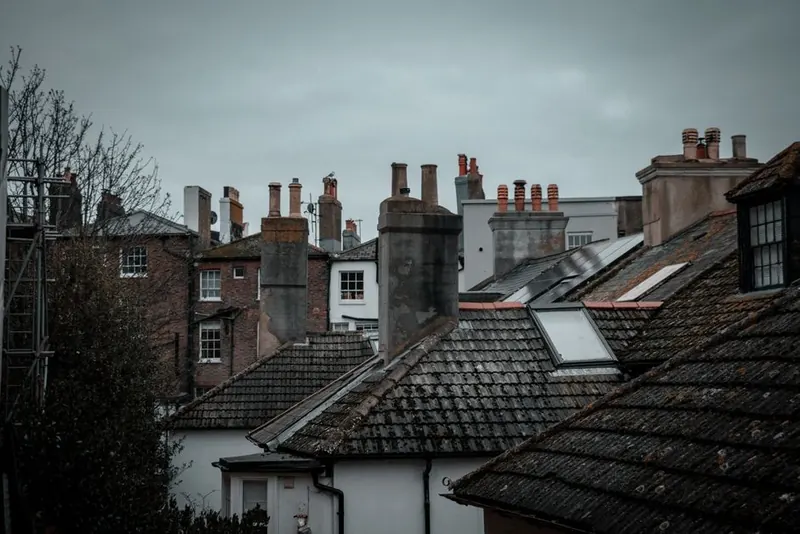
Half a million cold chimneys, standing on clay
The stacks of west London were built for coal and built in a hurry - Victorian terraces first, then the great interwar estates, each semi handed a pair of chimneys as standard fittings. They've now been cold longer than they were ever warm. Cold matters: an unheated stack stays damp, and damp mortar freezes, expands and lets go a little more each winter. Under it all sits London clay, which swells in wet winters and shrinks in dry summers - the same ground movement that keeps the borough's structural engineers busy also nudges old chimneys fractionally off true, opening hairline paths that rain then enlarges. None of this means your stack is doomed. It means it's a ninety-year-old structure in a mildly hostile environment, and like most things of that age, it does very well with a little attention and very badly with none.
"Of the leaning or crumbling stacks we look at around Hounslow, most were still an affordable repoint five years earlier - chimneys give a long, cheap warning that mostly goes unheard."
From the chimney repairs jobs on Watertight Roof Repairs Hounslow's books
Four stages, zero surprises
Tell us what you've spotted
Phone or form, plain words. 'The gutter waterfalls at the corner' or 'there's a mark spreading on the landing ceiling' is all the technical detail we need to get started.
Free survey, roof and loft both
We look from outside at height and from inside where the evidence lives. Half an hour, no charge, no obligation - and if the roof turns out to be fine, that's the report you get.
Photos, diagnosis, fixed price
You see what we found before you hear what it costs. The quote is itemised - materials, labour, access on separate lines - and the figure on it is the figure on the invoice.
Repair, tidy-up, paperwork
The work done as specified, the site left clean, completion photos sent to your phone, and the ten year written guarantee handed over. Then you forget about your roof, which is the point.
Sometimes the survey says: leave it alone
Not every worried call needs a roofer. When the honest finding is that your roof is fine - or that the real fault costs £80, not £800 - that's exactly what the report says. Free bad-news-that-isn't is how a local firm earns the next ten years of recommendations.
The guarantee is a document, not a phrase
"All work guaranteed" costs nothing to say, which is why every van in west London says it. What matters is whether anything gets written down. Work arranged through Watertight Roof Repairs Hounslow comes with a 10 year workmanship guarantee as an actual piece of paper - dated, signed, specific to your job - handed over alongside the completion photos. Materials carry their manufacturers' own cover on top, which varies by product, so your paperwork names what applies to yours instead of waving at a number.
A guarantee that long is only affordable if the repairs don't come back - so it shapes how the work is done. Failed material comes off rather than getting covered over. Replacement tiles and slates go on with fixings specified for a roof that lives under the Heathrow approach, not the minimum the 1930s got away with. Junctions get lead. And anything we find that we can't fix that day gets photographed and said out loud, because surprises kept from you now become our problem within 10 years.
Plainly: if water gets back in through work we've done, we return and put it right at no cost, for a decade. Ask any firm quoting against us to match that in writing - it's an interesting conversation to watch.
10 yrs
Workmanship, in writing
£0
Cost of a return visit under it
Insured
Public liability in place
Named
Manufacturer cover per job
Three questions that sort roofers fast
Ask these of anyone quoting for this work - including us. The firms worth hiring answer them happily; the rest change the subject.
Ask what mortar they'll use
If the answer is 'mortar' - just mortar, no interest in the brick's age - keep shopping. Match matters. The wrong mix visibly ages a stack and quietly accelerates its decay; it's the clearest tell between chimney folk and generalists.
Ask to see the flashing plan
Where a quote says 're-seal around chimney', ask what that means physically. The durable answer involves lead, steps and a chase cut into the joint. Anything applied from a tube or a roll is a short-term product at a long-term price.
Ask whether the stack needs to come down - and why not
A good roofer can defend keeping your chimney as ably as removing it. If the only option offered is removal, you've learned about the firm's scaffolding appetite, not your chimney's condition.
Repairing the stack versus taking it down
There are chimneys that should come down. There are far more that shouldn't but do, because removal is an easy quote to write. The two paths compared:
| Comparison point | Repair and keep it | Remove below the roofline |
|---|---|---|
| Typical cost | Repoint, flaunch and cap: mid hundreds to low four figures, scaffold the biggest line. | Similar or more once scaffold, demolition, tile-over and making good are all in. |
| The house afterwards | Roofline intact, flues available if you ever want a stove, street character kept. | A patch of new tiles where the stack stood, and a period house missing a feature every buyer notices. |
| Ongoing maintenance | A check every few years; a repoint roughly every generation. | None - the one real advantage, and the whole of the case. |
| Planning and neighbours | Repairs need no consent anywhere on our patch. | Conservation areas can object, and on shared stacks next door has a legal interest - it's often half their chimney. |
| Resale | Neutral to positive - period features sell in west London. | Surveyors flag amateur removals constantly; done badly it's a red flag on the report. |
While the scaffold's up, look sideways
Scaffold is the expensive part of chimney work, and it stands next to your gutters, fascias and the top courses of tile. Bundling the jobs that need height into one access bill is the single best cost saving in roofing - we'll survey the lot and quote it together so you can decide with real numbers.
See our fascias and soffits work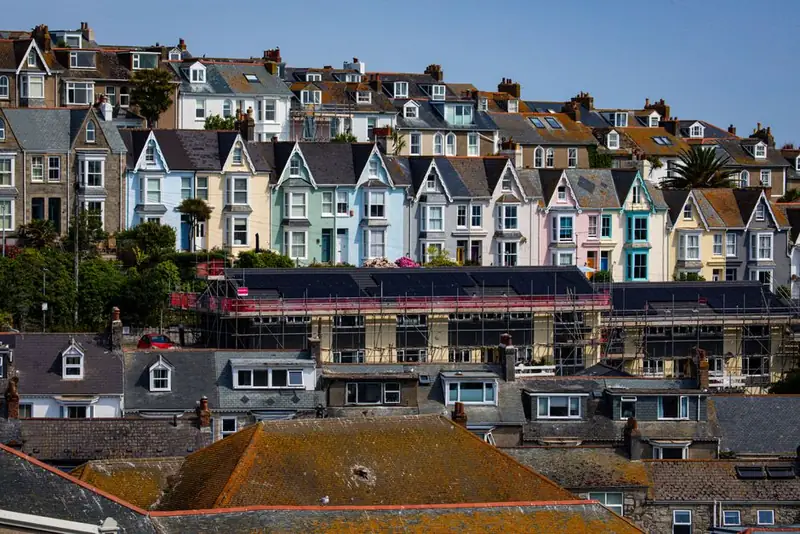
What chimney repairs costs around here
Chimney money around Hounslow goes mostly on height: a cap and flaunching repair sits in the low hundreds, a full repoint in the mid hundreds to low four figures depending on access, and rebuilds beyond that - with scaffold always itemised separately so you can see it. Shared stacks can often split costs with next door, and we're happy to quote it that way.
See the full cost guideChimney Repairs questions, answered straight
My chimney's never used - why spend anything on it?
Because it's still standing over your house, used or not. A dead flue changes nothing about the weather hitting the stack; it just removes the warmth that once helped it dry out. The good news is that a disused chimney maintained on a simple cycle - capped, pointed, flashed - costs very little per year of its life, and considerably less than the ceiling, roof and rebuild costs of letting one fail.
Can you repair just the flaunching, or is it always a bigger job?
If the flaunching is the only failure, that's the job we do - break out the cracked collar, re-bed the pots, done. It's one of the most cost-effective repairs on a roof. While we're up there we'll photograph the pointing and flashings so you know what's coming in future years, but 'while we're up there' is information, not obligation.
The stack is shared with next door. Who pays?
Usually it's a party structure - both households have an interest and commonly split repairs down the middle. We'll document the condition with photos both sides can see, quote the work as a whole, and split the invoice however you agree. Most neighbours are relieved to sort it jointly; the awkward conversations tend to come from surprise bills, not shared ones.
Do I need permission for chimney work in Hounslow or the boroughs around it?
Repairs - repointing, flaunching, caps, flashings - need no permission anywhere. Removing a stack is where it varies: in conservation areas like The Butts, Old Isleworth or Richmond's protected streets, the councils take rooflines seriously and removal can need consent, and Brentham in Ealing effectively forbids it. We'll tell you where your address stands before anything is priced.
Is a leaning chimney an emergency?
It's an 'assess promptly', which is different from a panic. Many west London stacks have carried a slight historic lean for fifty stable years - the clay moved, the house settled, everything found a new equilibrium. What matters is whether it's moving now: fresh cracking, recent debris, a lean visibly worse than old photos. We'll look quickly, tell you honestly which kind yours is, and involve a structural engineer in the rare cases that need one.
Related reading: Roof Leak Repairs ·Storm Damage Repairs
Where we do this work
Chimney Repairs across Hounslow and the boroughs that surround it - Isleworth, Brentford and Feltham on our doorstep, Twickenham and Richmond over the A316, Ealing to the north, and Hayes and Uxbridge out along the Hillingdon side.
What the patch says about us
Homeowners from Cranford to Hayes on how their jobs actually went.
"Woke up to tiles all over the front garden and not a breath of wind - couldn't work it out. They came the same morning, made it safe, and were the ones who told us it looked like vortex damage from the planes and that Heathrow has a scheme for exactly this. Helped us photograph everything properly for the claim. Could easily have just charged us for a repair and said nothing. That honesty is why I'm writing this."
"Our loft conversion started leaking around the dormer two winters after the conversion company vanished. Two roofers quoted big money to strip the whole dormer roof. These guys traced it to one badly-lapped flashing on the cheek, showed me the photo, fixed it in half a day. It's been through every storm since bone dry. The difference was they looked before they priced."
"Called them expecting to be told the roof needed doing - the house is 1936 and the ridge had been dropping mortar crumbs for a while. Survey verdict: re-bed the ridge, replace five tiles, and the rest is good for years yet. They even marked two tiles to keep an eye on. Quote was a fifth of what I'd braced for. When the roof does eventually need doing, they've earned that job."
"Water started coming through the back bedroom ceiling at 7am on a Sunday. Rang around - one lot quoted a £180 call-out before they'd even start. This firm answered, talked me through switching off the lights circuit and where to put the buckets, and was here by half nine. Told me the Sunday rate up front, made it dry, came back Tuesday and did the proper repair for a very fair price. Kept every promise they made on the phone."
"Had the fascias, soffits and gutters done on our terrace. What sold me was the survey - they pushed a screwdriver into the old boards to show me which were actually rotten and which were fine, then quoted to replace only what needed it. Other quotes were for capping over the lot, which they explained the problem with. Work was neat, gutters run properly for the first time in years, and the guarantee arrived as a proper document."
Had us out to your roof?
Two minutes writing a review does more for a small local firm than any advert we could buy - and it helps the next west London household with a drip find someone straight.
The free chimney repairs survey is where it starts
Half an hour of our time, none of your money, and you'll know what's actually happening up there - with photographs, a plain-English verdict and a fixed price if anything needs doing. If nothing does, you'll know that too, in writing.