
27 August 2026
How To Choose A Roofer In Hounslow Without Getting Burned
A practical hiring guide for west London homeowners - the checks that expose a bad roofer in minutes, and the paperwork a good one produces without being asked.
Hiring a roofer is a strange purchase. You can’t inspect the work as it happens, you can’t easily verify what you were told needed doing, and the price of getting it wrong arrives years later, through the ceiling. In west London the stakes are a little higher again: this is expensive housing, much of it ninety-plus years old, spread across four boroughs with different conservation rules - and it sits under a flight path that produces damage most of the country’s roofers have never heard of. The good news is that separating good roofers from bad ones doesn’t take expertise. It takes a handful of questions, a little patience, and knowing which pieces of paper matter. This is the checklist we’d give a relative moving to Hounslow.
Start with where they actually are
The first check costs nothing: find out where the firm is physically based. A roofer with a genuine local base - a yard, a unit, an address you could drive past - has a reputation that lives and dies within a few miles, and every incentive to protect it. A phone number that routes to a national call centre has neither. Search results for “roofer near me” are thick with lead-generation websites that sell your enquiry to whoever pays most for it, which means the person who turns up has already paid a fee they need to recover from your job.

Distance matters practically too. Roof repairs generate follow-ups - a check after the first storm, a guarantee visit years later - and a firm based forty miles away has a powerful incentive not to make them. Before comparing anyone’s prices, it’s worth understanding what roof repairs actually cost around Hounslow so you can hold every conversation against realistic numbers rather than hope.
The doorstep rule has no exceptions
West London has a persistent doorstep roofing trade, and it follows a script that hasn’t changed in decades: a knock after bad weather, a problem spotted “while working nearby”, urgency you can’t verify, and a price that’s only available today. Sometimes there’s a genuine fault up there. It doesn’t matter - the sales method itself is the information.
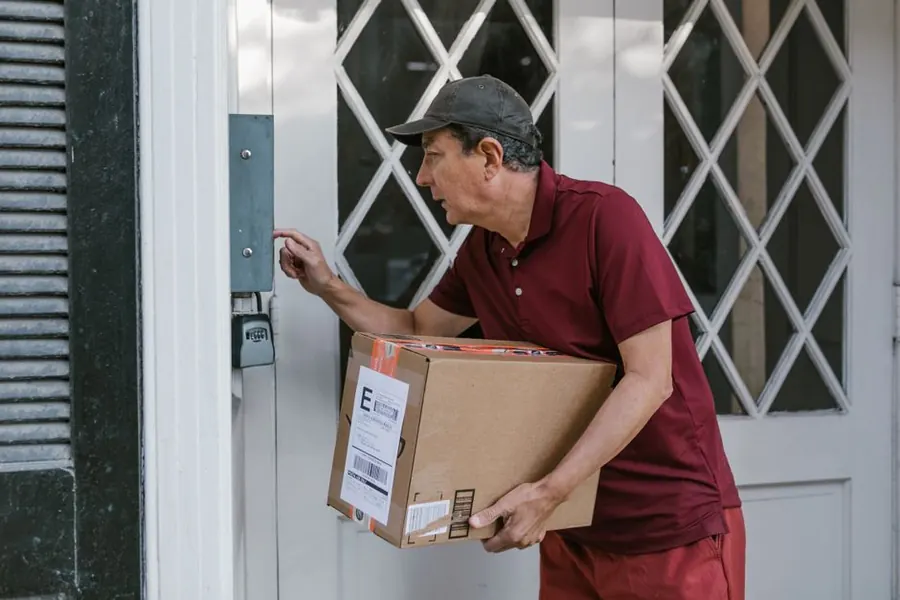
No reputable roofing firm in London acquires work by cold-knocking, because reputable firms are busy from referrals. The polite, non-negotiable response is to take a card, close the door, and book an independent survey from a firm you chose yourself. A real fault will still be real next week; a fictional one evaporates the moment a second pair of eyes is mentioned. These visits disproportionately target older residents, so the rule is worth sharing with any elderly neighbours - it protects them more reliably than any lock.
Paperwork tells you more than the sales pitch
Everything a roofing firm says is marketing; everything it writes down is evidence. Three documents do most of the sorting. First, the quote - itemised, on headed paper, with materials, labour, access and waste disposal on separate lines. Second, insurance - current public liability cover, which any legitimate firm will evidence without a flicker of hesitation. Third, the guarantee - a stated number of years, in writing, covering workmanship specifically, since manufacturer warranties on materials don’t cover the person installing them.
Vagueness in any of the three is a decision made for you. “All works to roof - £2,400” commits its author to nothing at all: not to new battens, not to matching tiles, not to taking the waste away. When something goes wrong under a vague quote, you discover that what you thought you’d bought and what the firm believes it sold are different jobs, and the gap between them is your problem. Insist on lines. Good firms produce them by default because itemised quotes win comparisons against padded ones.
Six questions that expose a poor roofer in minutes
You don’t need technical knowledge - you need to watch how these are answered. Where exactly is the fault, and can I see a photo? What happens to the old materials? Is the price fixed, and what could change it? Who exactly does the work - your own people or a subcontractor? What does the guarantee cover, and what voids it? And how long has the firm traded under its current name?

Competent roofers enjoy these questions - they’re a chance to show their working, and the answers come back specific and unhurried. The tells run the other way: irritation, jargon deployed as a smokescreen, urgency (“scaffold prices go up Monday”), and any version of “trust me, it all needs doing”. That last question about trading names matters more than it seems; firms that accumulate bad reviews sometimes shed their name and start fresh, so a company number you can check at Companies House is worth more than a decade of claimed experience.
Credentials worth checking, and ones that aren’t
Some badges carry weight. TrustMark is the government-endorsed quality scheme for trades, with vetting behind it and a register you can search. The National Federation of Roofing Contractors is the industry’s main trade body, with membership standards and a code of practice. Both are checkable in two minutes, and checking matters - logos on a van are decoration until you’ve verified them at source.

Treat with more caution: glossy review widgets on a firm’s own website (curated by definition), “twenty years’ experience” (unverifiable and usually rounded up), and accreditation logos from organisations you’ve never heard of, some of which sell membership to anyone with a card machine. Genuine Google reviews attached to a long-standing business profile are the most useful public signal - read the worst ones first, and read the firm’s replies to them, which reveal character faster than the praise does.
The west London wrinkles a local roofer should know
A final filter that works uncannily well here: ask about the local complications, and see whether the answers come back specific. Does the firm know which conservation areas affect roofing materials - Old Isleworth, The Butts, Bedford Park’s Article 4 direction, Brentham over in Ealing? Do they know that Richmond and Hillingdon run different rules from Hounslow, and which side of the line your street sits?
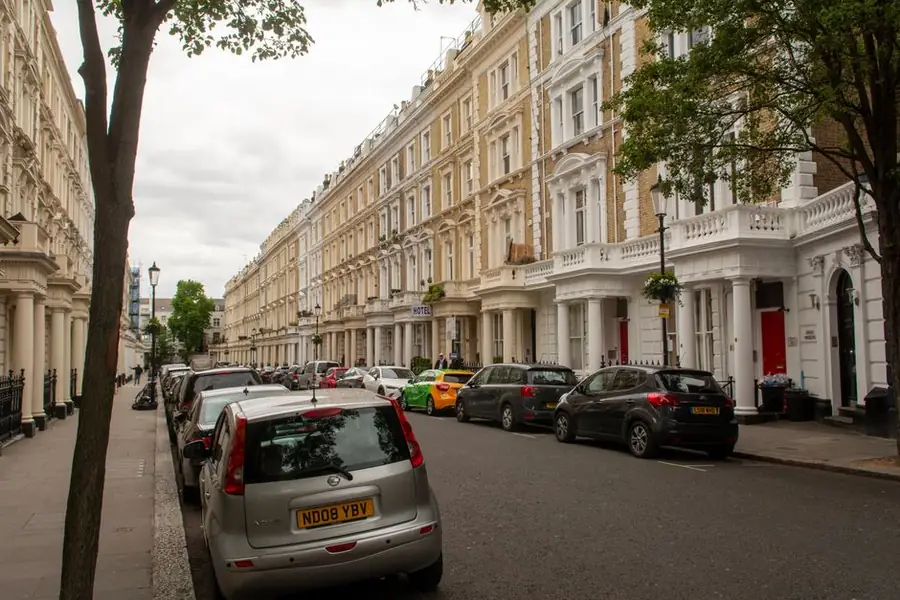
And do they know about wake vortex damage? Under the Heathrow approach, tiles genuinely do get displaced by aircraft on calm days, and the airport runs a scheme that repairs verified strikes free - we’ve written a full guide to how the Heathrow vortex scheme works. A roofer who’s never heard of it hasn’t worked this patch much; a roofer who identifies it, documents it and points you to the airport’s money instead of your own has just demonstrated the honesty this whole exercise is trying to find.
Slow is the whole trick
Almost every roofing horror story shares one ingredient: speed. A decision made on the day, on the doorstep, under pressure, from a single option. Reverse each of those and the odds transform - two or three firms, itemised quotes compared line against line, credentials checked at source, references read, and a night’s sleep between quote and commitment. A sound roof can wait a fortnight for the right firm, and even most leaks can be safely held by a proper make-safe while you choose well. The urgency is almost always the salesman’s, not the roof’s.
Frequently asked questions
Should I always get three quotes for roof work in Hounslow?
For anything beyond a minor repair, yes - but only if you compare them properly. Three single-figure quotes teach you nothing except who's cheapest today. Ask each firm for an itemised breakdown covering materials, labour, access and waste, and the comparison becomes genuinely informative: you'll see who has included scaffold, who is reusing old battens, and whose price is low because something is missing rather than because they're efficient.
Is a cheap roofing quote always a bad sign?
Not always - a local firm with low overheads genuinely can undercut a national outfit with a sales team to feed. The question is never the number by itself but what the number contains. A cheap quote that itemises everything and stands behind a written guarantee may be excellent value. A cheap quote that fits on a text message is cheap because the job it describes is smaller than the job your roof needs.
What deposit is reasonable for roofing work?
For ordinary repairs, none - reputable local firms invoice on completion. For larger jobs like a re-roof, a materials deposit close to the start date is normal and fair, since tiles or slate are being ordered for your specific job. What should end the conversation is a large cash deposit requested before any survey, paperwork or materials exist - that pattern is the single most reliable predictor of roofing regret.
Useful? The survey's even better
Free roof surveys across Hounslow and west London, with photographs and a fixed written quote to follow.