
14 October 2026
Roofers In Chiswick And Brentford: Bedford Park, The Riverside And What A Roof Here Really Costs
Hiring roofers in Chiswick or Brentford? How Bedford Park's Article 4 direction, the riverside conservation areas and slate or clay roofs shape the job and the price.
Chiswick and Brentford give a roofer more variety in two square miles than most of west London manages in ten. In one week we can be on a red brick Queen Anne house in Bedford Park, a Georgian house facing the river at Strand on the Green, a flat-fronted Victorian terrace off Brentford High Street and a new block of flats by the canal. Hounslow Council has designated 29 conservation areas across the borough and a big share of them sit in this eastern corner, which is why roofers in Chiswick and Brentford get asked more questions about consent, slate and clay than they do anywhere else in our patch. This guide takes the area street type by street type, sets out which jobs need the council’s say-so and which don’t, and puts some honest figures on the cost.
Roofers in Chiswick and Brentford: start with what’s over your head
What makes a Chiswick roof job different is mostly the house, not the roofer. Before anyone talks about price, it is worth knowing which of four broad types you own, because each one fails in its own way and each one sits under a different set of rules.
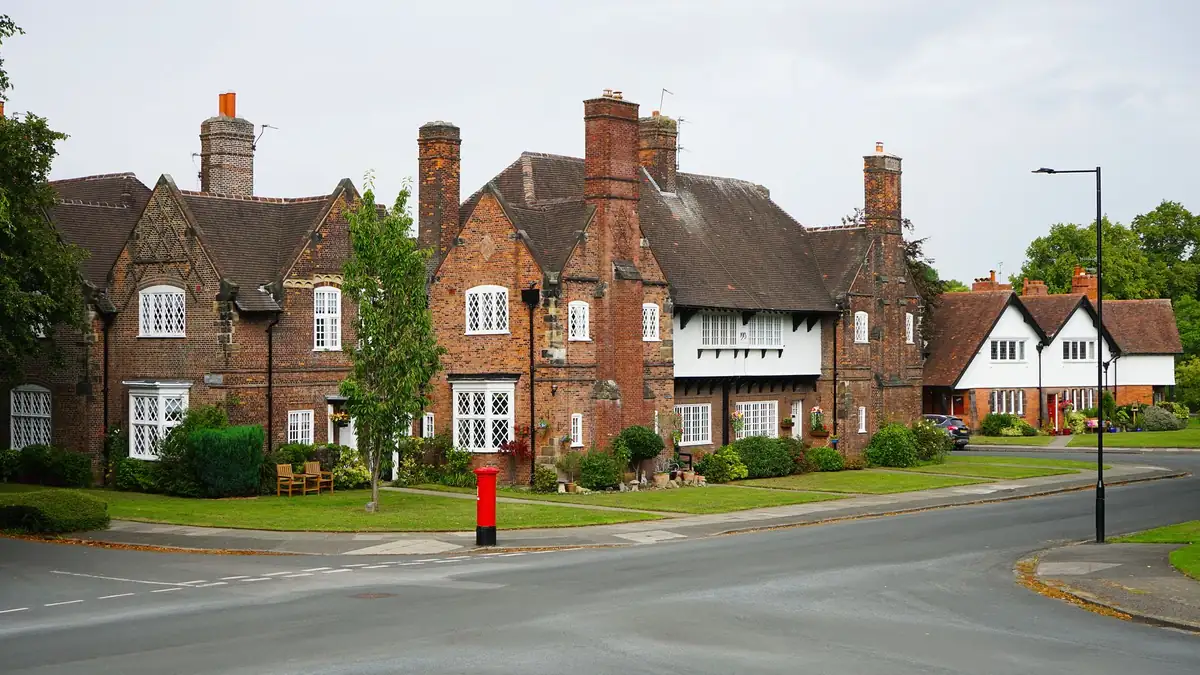
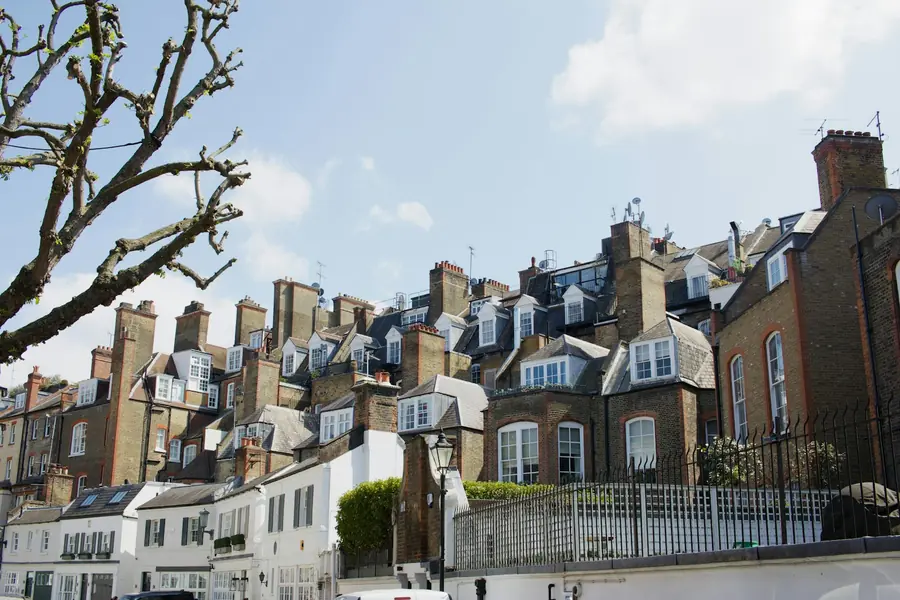
The first is the Bedford Park type: red brick, steep clay tile roofs, tile-hung gables, dormers built in from the start and chimneys that seem far too tall for the house. The second is the Georgian and early Victorian riverside house in Strand on the Green and Old Chiswick, usually brick with a slate or old clay roof, sometimes a parapet, often listed. The third is the Victorian and Edwardian terrace and villa, which covers most of Grove Park, Turnham Green, Stamford Brook and the older streets of Brentford. These carry Welsh slate or machine-made clay, with a decorative ridge and a chimney shared with next door. The fourth is everything built since the war, from interwar semis towards Syon Lane to the flats along the Brentford waterfront.
If your house is one of the first three and the covering is near the end of its life, you are looking at a full roof replacement done to a specification the council will recognise. If you live in Brentford and are not sure which conservation area you are in, or whether you are in one at all, the council’s interactive map will tell you, and so will we when we survey.
Bedford Park: what the Article 4 direction actually says about roofs
Bedford Park was laid out from 1875 as a deliberate, planned suburb of red brick houses, many by Richard Norman Shaw, and most of it still looks the way Shaw and his colleagues meant it to. It is also split between two councils. The western part lies in Ealing, the eastern part in Hounslow, and each runs its own rules. Everything below is about the Hounslow side.
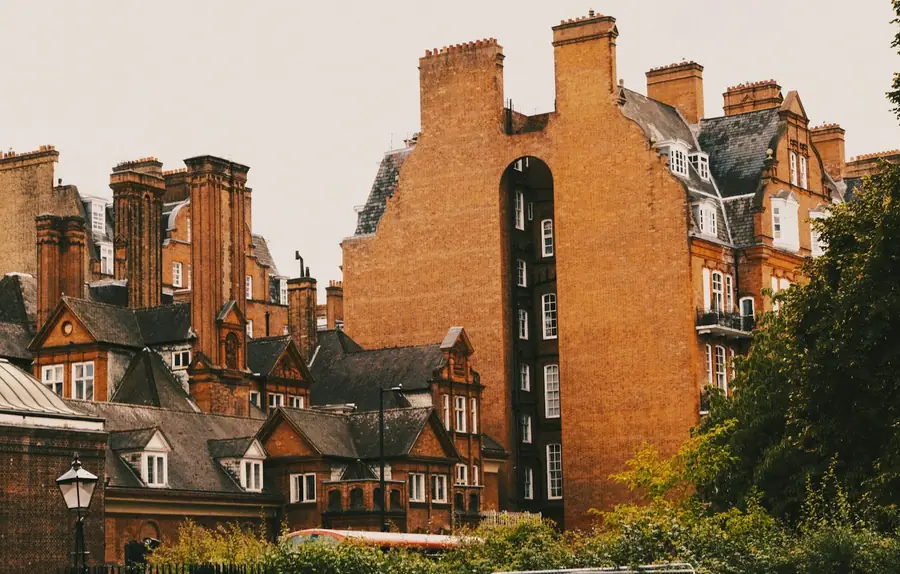
On 24 July 2001 Hounslow confirmed Article 4(2) directions over the Bedford Park and Gunnersbury Park conservation areas. The council’s guidance note on the Bedford Park and Gunnersbury Park directions is short and unusually plain about roofs. Changing the type of roof covering needs planning permission. When a roof is renewed, natural slate or clay tile is required where that was the original material, and concrete or coloured tiles will be resisted. New dormers need permission and are only acceptable to the rear in traditional designs. Rooflights need permission too, and should be rear-facing flush conservation units. Demolishing, building or altering a chimney stack needs permission, and the removal of original stacks will not usually be granted.
Just as useful is what the note leaves alone. It states that like-for-like repair or replacement does not need planning permission. So when a Bedford Park roof wears out, you can strip it and re-lay it in matching clay with no application at all, provided the tile, the size, the colour and the detailing go back as they were. Most of our Bedford Park work falls on that side of the line. The jobs that turn into applications are the ones where somebody wants something different: a cheaper tile, a roof window over the stairs, a dormer on the street side, or a stack taken down because it leans.
Why Bedford Park roofs cost more to look after
These roofs carry a lot of detail per square metre. A typical house has a main roof, two or three subsidiary roofs, tile-hung gables, valleys where the slopes meet and at least one stack tall enough to need its own scaffold lift. Valleys are the weak point. Many were formed in lead or in purpose-made clay valley tiles, and after a century the lead has split or the bedding has gone. We spend more time on Bedford Park valleys and stack flashings than on the tiles in between. The tiles are usually fine.
Strand on the Green, Old Chiswick and the riverside conservation areas
The river edge of Chiswick has the area’s oldest roofs. Strand on the Green has been a conservation area since 1968, and Hounslow’s Strand on the Green conservation area appraisal describes eighteenth-century houses, fishermen’s cottages and riverside pubs along a stretch of the tideway that still floods at spring tides. Its schedule runs to a long list of Grade II buildings, including the Georgian Grove Park Terrace, built before the railway arrived. Old Chiswick, around Chiswick Mall and St Nicholas Church, is its own conservation area with the same sort of mix, and Kew Bridge, Chiswick House and Grove Park sit right next door.
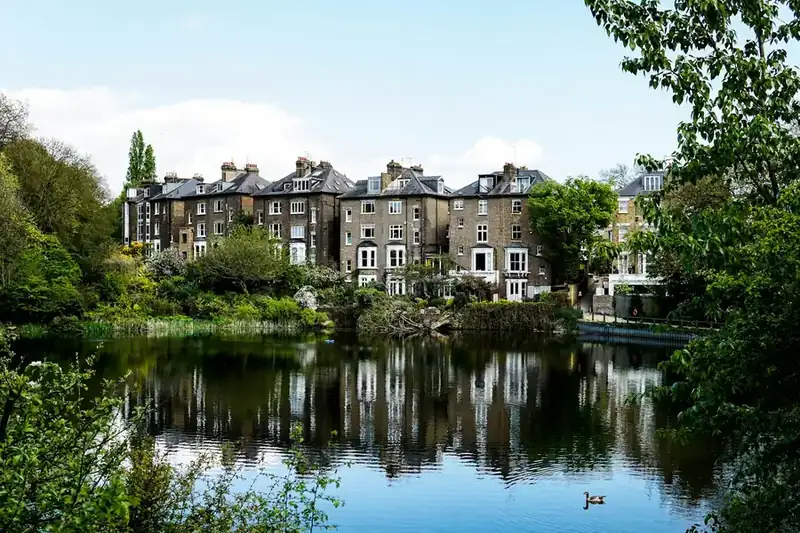
Read the threats listed in the appraisal and two of them are roofing problems: the loss of chimney stacks and pots, and replacement coverings that do not respect the established materials. That tells you how the conservation team reads a re-roof application here. On a listed house nothing is exempt. Any work that affects its character, stripping and re-laying included, needs listed building consent, and the appraisal points out that listing covers the whole building, inside and out. A small like-for-like patch is one thing. Swapping old handmade tiles for new machine-made ones is another.
The river also changes the logistics. Several of the houses on Strand on the Green face a towpath rather than a road, so scaffold tube, slate and old tiles all travel by hand from Thames Road, and anything stacked on the path has to respect the tide tables. We price for that up front rather than discovering it on the morning.
Brentford: dock terraces, The Butts and the canal side
Brentford is a working town that grew up where the Brent and the Grand Union Canal meet the Thames, and its roofs show it. The terraced streets behind the High Street and around the old dock were built quickly for working families, mostly in London stock brick with Welsh slate on softwood battens. They are honest roofs and simple to repair. Most are also still on their original nails, which is where the trouble starts.
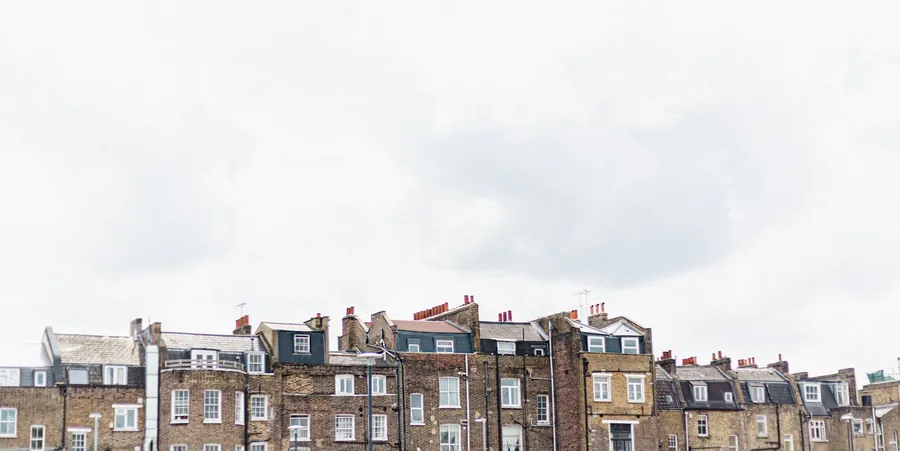
Nail sickness is the classic Brentford fault. The iron nails holding each slate rust through, slates slide out one or two at a time, and owners pay for repeated callouts to hook them back in. Past a certain point, usually when slates are slipping on more than one slope, a strip and re-lay is better value: the sound slate comes off, new battens and membrane go on, and the slate goes back with copper nails, with reclaimed or new Welsh slate making up the shortfall. The other recurring Brentford problem is the shared stack. One neighbour’s flashing fails and both houses get the damp.
Brentford has conservation areas of its own. The Butts is a square of genuine Georgian houses a couple of minutes from the High Street, St Paul’s Brentford covers the streets around the church, and the Grand Union Canal and Boston Manor area follows the waterway north. These have no Article 4 direction over them, so the Bedford Park controls do not apply. Ordinary conservation area rules still do, though, and they bite on dormers and demolition. The newer blocks by the canal are a different job altogether: flat roofs, membranes and managing agents, usually with no planning question at all.
Roof work that needs consent in Chiswick and Brentford, and work that doesn’t
This is the part people ring us about most. The table below is a working summary for the Hounslow side of the area. It is not legal advice, and it always pays to check your own address against the council’s mapping because a boundary can run down the middle of a street.
| Job | Outside a conservation area | Conservation area (no Article 4) | Bedford Park or Gunnersbury Park (Hounslow side) | Listed building |
|---|---|---|---|---|
| Repairs, slipped slates, ridge rebedding | No application | No application | No application | Consent if it affects character |
| Like-for-like re-roof | No application | No application | No application | Listed building consent |
| Change of covering material | Usually permitted development | Usually permitted development | Planning permission | Consent, rarely granted |
| Rooflight on a roof slope | Usually permitted development | Usually permitted development | Planning permission, rear only | Consent |
| Dormer or roof extension | Often permitted development | Planning permission | Planning permission, rear only | Consent |
| Removing a chimney stack | No application | Check with the council first | Permission, rarely granted | Consent |
Two things are not on the table. The first is building regulations, which run separately from planning. A full re-roof is building work, and it has to be signed off through a competent person scheme or a building notice to the council, whatever the planning position. The second is flats. Permitted development rights for roofs belong to houses, so if you own a flat in a converted Chiswick villa or a Brentford block, both the council and your freeholder will have a say. Our longer post on roof work and planning permission across Hounslow goes through each of these in more detail, including the Heathrow safeguarding rules that matter further west.
What roofers charge in Chiswick and Brentford
Our labour rate does not change at the Chiswick boundary. What changes is the materials list, the height of the house and the number of details per square metre. Clay plain tiles use around sixty to the square metre, natural slate costs more than most homeowners expect, and lead valleys and soakers are measured in metres, not in units. Add a parking suspension, at £25 a space a day plus a £40 admin fee in Hounslow, and a CPZ on almost every street in W4, and the totals climb.
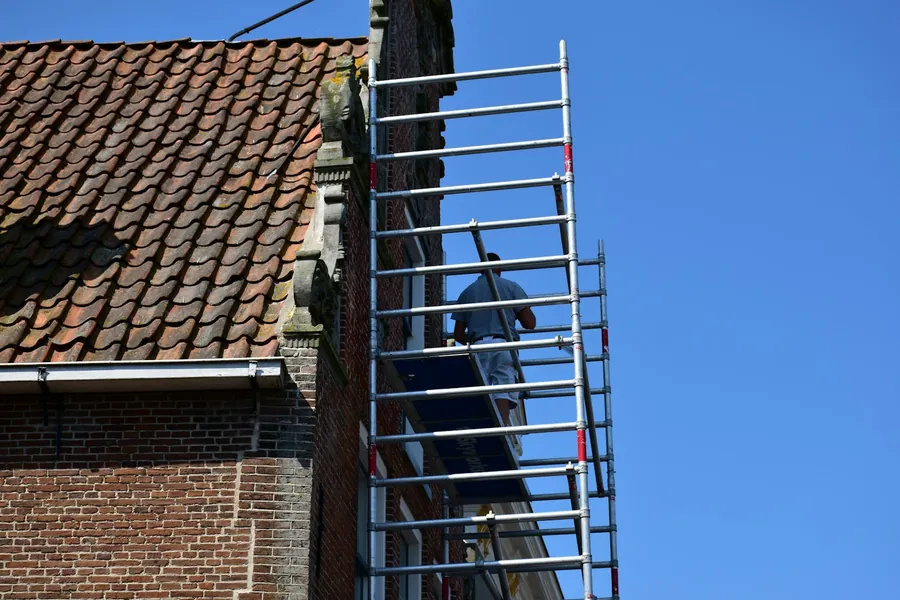
These are the ranges we have been quoting this year. Every house is priced individually, but they give a fair picture of where a job will land:
| Job | Typical range |
|---|---|
| Refixing a few slipped slates or tiles from a tower | £150 to £400 |
| Relining a lead valley on a Bedford Park roof | £900 to £2,400 per valley |
| Repointing and reflashing a tall stack, scaffold included | £1,200 to £3,000 |
| Strip and re-lay, Victorian terrace in Brentford, Welsh slate | £11,000 to £18,000 |
| Full re-roof, Bedford Park semi, handmade clay plain tiles | £24,000 to £40,000 |
| Listed house on the riverside, consent drawings excluded | Priced from survey |
Planning adds its own line where it applies. The national householder application fee is now over £500, and a set of drawings for a Bedford Park rooflight or a rear dormer adds more. The cheapest Chiswick roof is still the one put back exactly as it was. Like-for-like needs no application, gives the conservation officer nothing to question, and keeps the house worth what the street says it should be.
Choosing a roofer for a Chiswick or Brentford house
Plenty of firms will quote for a Chiswick roof. Fewer have worked to the Bedford Park guidance or handled a listed building consent, and you can usually tell within five minutes on the phone. Ask whether the house is in a conservation area and see whether they already know. Ask what tile they would use on a Bedford Park roof. “Whatever’s closest” is the wrong answer. A named clay tile matched to a sample from your roof is the right one.
Ask for the quote in writing, with the material, the source of any reclaimed slate, the lead code and the scaffold all on separate lines. Ask who handles the parking suspension and when it is booked, because Hounslow wants the application well before the day. And if anyone suggests taking a chimney down to save money in Bedford Park or Gunnersbury Park, or swapping clay for concrete, they have not read the guidance. If you want a second view on the council’s general approach before you start, Hounslow’s conservation areas page lists the conservation team’s contact details, and they would rather answer a question first than deal with a problem later.
We work out of Heston, a short run along the Great West Road from Brentford and not much further to Chiswick. Every job starts with a free survey and a written report with photographs. If your house sits in Bedford Park, on the riverside or in one of Brentford’s conservation areas, we say so in the report, explain what the council will expect and price any consent work as its own line.
Frequently asked questions
Do I need planning permission to re-roof a house in Bedford Park?
Not if the new roof matches the old one. Hounslow's guidance on the Bedford Park Article 4 direction says like-for-like repair or replacement does not need permission. Changing the type of covering does, and where the original was natural slate or clay tile the council expects that material back. Concrete or coloured tiles will be resisted. Any change to a chimney stack, a new dormer or a rooflight on the Hounslow side of Bedford Park also needs an application.
Is Chiswick in the London Borough of Hounslow?
Yes. Chiswick, Brentford, Strand on the Green, Grove Park and Gunnersbury all sit in the London Borough of Hounslow, so planning, building control and parking suspensions go through Hounslow Council. The one complication is Bedford Park, which straddles the boundary: the eastern part is in Hounslow and the western part is in Ealing, and each council runs its own Article 4 direction.
Can I take down a chimney stack on my Chiswick house?
In most of Chiswick's conservation areas, think hard before asking. On the Hounslow side of Bedford Park and in Gunnersbury Park, demolishing or altering a chimney stack needs planning permission and Hounslow says removal of original stacks will not usually be granted. Elsewhere, demolition in a conservation area needs permission too, and the Strand on the Green appraisal lists the loss of stacks and pots as a threat to the area. Repairing and capping a stack is almost always the cheaper route anyway.
How much does a new roof cost in Chiswick compared with Hounslow?
Usually more, because of what the roof is made of and how tall the house is rather than the postcode. A slate re-roof on a two-storey Victorian terrace in Brentford typically lands between about £11,000 and £18,000. A handmade clay re-roof on a Bedford Park semi with tile-hung gables, tall stacks and lead valleys runs from about £24,000 to £40,000 and sometimes more. Small repairs cost much the same as anywhere else in the borough.
Useful? The survey's even better
Free roof surveys across Hounslow and west London, with photographs and a fixed written quote to follow.