
10 October 2026
Gutters, Fascias And Soffits In Hounslow: Repair Or Replace, Decade By Decade
Repair or replace your gutters, fascias and soffits in Hounslow? How the age of your house decides it, from 1930s timber to 1970s asbestos boards, plus local prices.
The fastest way to sort out a roofline in Hounslow is to find out when the house went up. Ask the year before anyone mentions plastic or aluminium. A painted 1930s fascia in Heston, a white soffit board on a 1970s close and a black cast iron gutter on an Isleworth villa fail in different ways, and the repair-or-replace call changes with each. Heathrow’s weather station puts annual rainfall at a little over 600mm, which is drier than most of Britain. That sounds like good news for gutters, but a 70 square metre semi still sends over 40,000 litres a year through a run that may be ninety years old. And the gutter is only ever as good as the board it is screwed to, which is the bit most quotes skip. So this guide goes through the borough’s houses by age first, then the things that move the price whatever the age.
Start with the year your house was built
Every roofline has the same three parts. The fascia is the vertical board along the eaves that carries the gutter brackets. The soffit is the flat panel underneath that closes the gap back to the wall. The gutter catches the water and hands it to the downpipes. When one of the three is faulty, the other two usually suffer for it, so we never quote for one without looking at the other two.
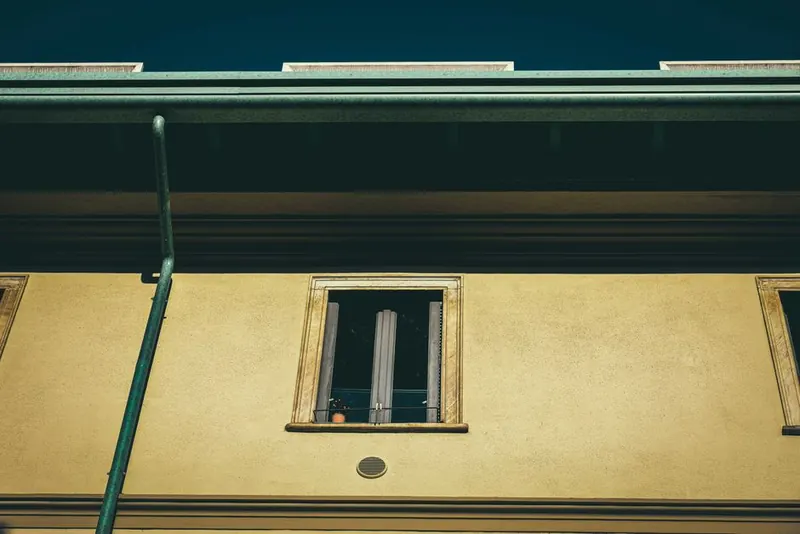
What changes by decade is the material behind them. Interwar houses have timber all round. Post-war infill often has painted softwood fascias and a manufactured board for the soffit, and that board is where the asbestos question comes in. Anything re-done since the 1990s is probably uPVC already. Each of those starting points has its own failure pattern, and once you know which one you have, most of the guesswork goes. Our fascias and soffits service page explains how we survey a roofline, and the guttering page covers the drainage side in more depth.
Heston, Whitton and Cranford semis: painted timber and a gutter of two halves
The interwar semis that fill Heston, Whitton, Cranford and the roads around Hounslow West were built with deep timber eaves, painted fascias and, more often than not, cast iron gutters. Ninety-odd years later, very few still have the full original set. A typical house we survey has a plastic gutter across the front, put up by a previous owner in the 1980s, and cast iron left on the back addition where nobody looked.
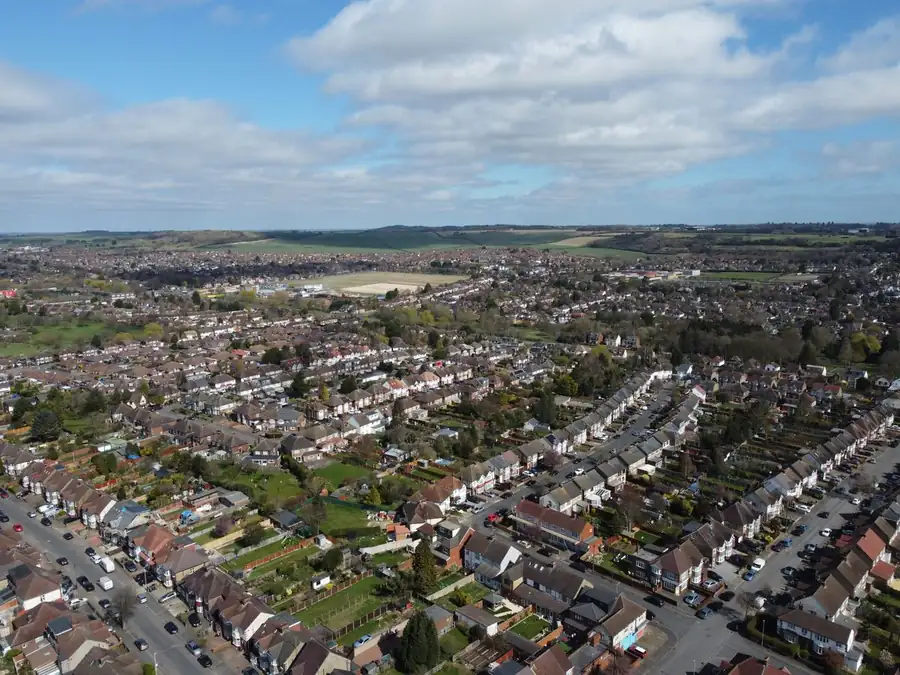
That join between old and new is where a lot of these houses leak. Plastic and cast iron expand differently and sit at different heights, so the adaptor between them gets pulled apart over a few hot summers and starts dripping onto the bay roof below. The timber is the other half of the story. Old-growth softwood from the 1930s is better stuff than most new timber, and a sound board with tired paint is a repaint, not a replacement. The screwdriver test in the FAQ below tells you which you have. If rot is confined to one corner, usually under an outlet or where a downpipe has overflowed, we cut it out and splice in a new length. When the screwdriver sinks in every metre or so, it’s time to strip the roofline back to the rafter feet.
Before anyone cuts a 1960s or 1970s soffit board
Houses from the 1960s and 1970s turn up all over the borough, filling gaps between older streets and lining the later estates towards Feltham. Many of them have flat white soffit boards that look like painted plasterboard. Some of those boards are asbestos insulating board, usually shortened to AIB. The HSE’s guide to where asbestos is found shows AIB soffits in its list of common locations, and points out that AIB is hard to tell apart from non-asbestos board by eye.

This matters because the cheapest roofline quotes often involve sawing the old soffit out or screwing new plastic straight through it. If the board is AIB, either one releases fibres right next to your windows. HSE treats most AIB work as licensed work, which means a contractor holding an HSE asbestos licence, not a general roofer with a dust mask. On any house built or refurbished before 2000 with original soffits, we take a small sample and send it to a lab before quoting. If it comes back positive, removal is priced as its own line and done by a licensed firm before we fit anything. If it comes back clear, the roofline goes ahead as normal and you know for certain.
uPVC, aluminium, or keep what you have
Most Hounslow rooflines end up in white uPVC, and for most houses that is fine. Full replacement board, at least 16mm thick, fitted after the old timber has come off, will carry gutter brackets properly for decades. The thin 9mm or so capping board nailed over old timber is a different product and only makes sense on wood that is still dry and sound. Look for the board thickness on your quote. If it isn’t there, ask.
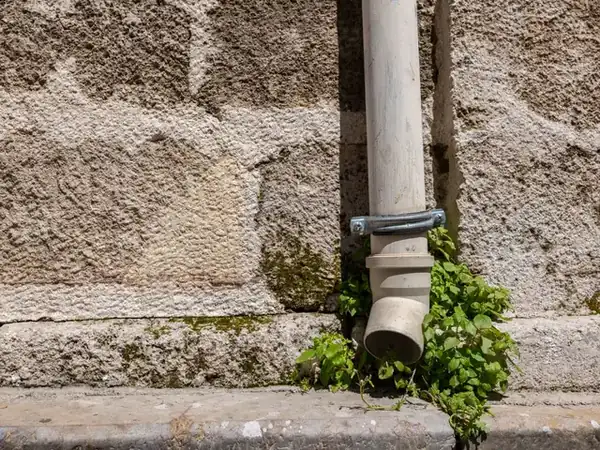
Aluminium gutters cost noticeably more than plastic and less than cast iron. They don’t sag between brackets on a long run and they don’t go brittle after years of sun, so they suit wide detached houses and owners who aren’t planning to move. Cast iron still belongs on the Victorian and Edwardian stock around Spring Grove, Isleworth and Brentford, especially in conservation areas, and it repairs better than most people expect. A few of those older terraces have no eaves gutter at all and drain into a trough hidden behind the front wall. That is a separate problem, covered in our piece on parapet gutters on Hounslow’s older terraces.
What the Hounslow numbers look like
These bands match the ones on our roof repair cost page. A gutter clean with a full check of the falls, joints and downpipes on a typical semi is £80 to £180. Re-levelling a sagging run or replacing a section of uPVC is £160 to £520, and a single downpipe length or a new shoe and brackets is £90 to £250. A one-off board repair or a repaint sits in the low hundreds. Full fascias, soffits and gutters on a semi come to £1,400 to £3,200, with the old boards removed and the rafter feet checked.

Scaffold, where it’s needed, is £500 to £1,200 per elevation and always shown on its own line. Two things push a roofline job outside those bands: an asbestos result, and rotten rafter feet found once the fascia is off. Neither can be priced honestly until someone has looked. A decent quote gives you a fixed price for the known work and a stated rate for the unknowns. Our roof repair price guide by job covers the rest of the roof the same way, so you can bundle jobs and pay for the access once.
Who’s living in your eaves
Leave a gap in a soffit and something will move into it within a season. In Hounslow that’s usually house sparrows, starlings or swifts, sometimes wasps, and occasionally bats. Pipistrelles are common across west London and are happy to roost behind a fascia board. The law takes this seriously. Under the government’s guidance on protecting wild birds, it’s an offence to take, damage or destroy a nest while it is being built or used, and roofline work is one of the obvious ways to do that by accident.
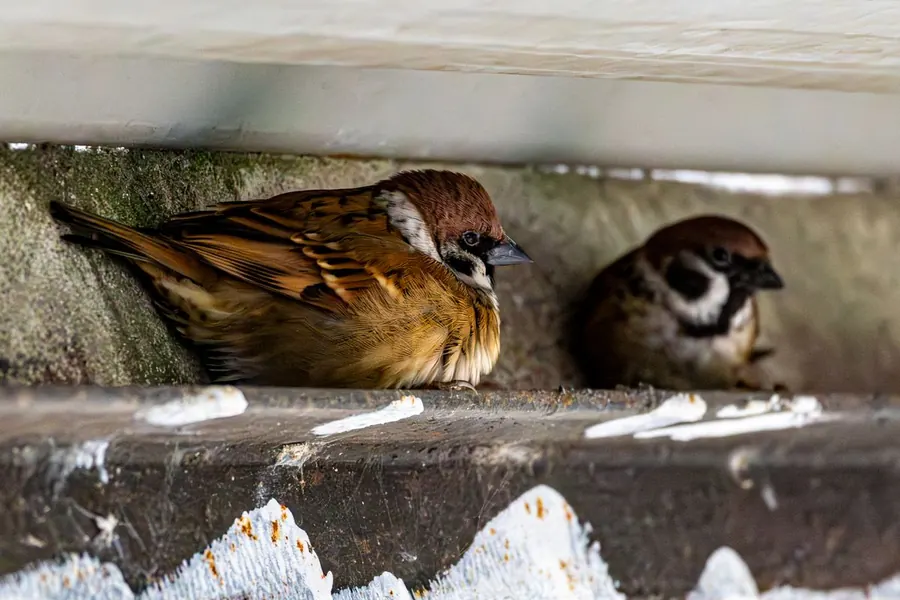
Bats get more protection still. The gov.uk guidance on bats names roof repairs as work that can harm them and says to get advice, a survey and if necessary a licence before you start. In practice that means three things. We look for droppings, staining and nest material on the survey visit. If birds are nesting, we book the job for after they’ve fledged, usually from late summer. If there are signs of bats, work stops and the National Bat Helpline gets a call. When the new soffits go on, we can fit swift or bat boxes on the gable, which gives the birds a home without leaving the loft open to them.
What ends up in a Hounslow gutter
People living under the flight path sometimes ask if aircraft leave something in their gutters. From what we pull out of them, the answer is mostly no. The bulk is the same as anywhere in west London: leaves from street trees, moss washed off old clay tiles, and a fine black grit that builds up on houses near the A4 Great West Road and the M4. That grit settles in the bottom of the gutter, holds water, and gives moss a place to root.
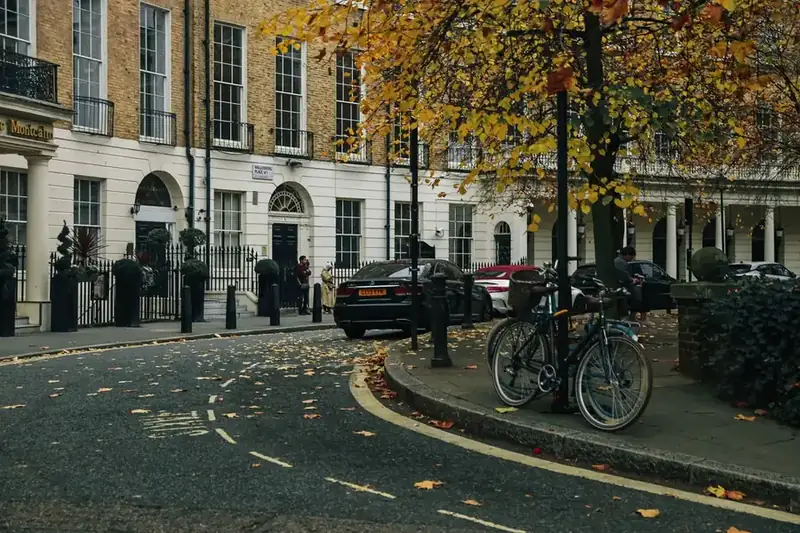
The pattern is predictable. Leaf fall peaks from late October into December, which is also when blocked outlets start overflowing down the wall. Moss tends to lift off in late winter and spring after a dry spell, then washes down with the next band of rain. A gutter that overflows at the same spot every time it rains usually has a fall problem as well as a blockage, because water is pooling at a low bracket instead of running to the outlet. Clearing it buys you a few months. Re-setting the bracket is the actual repair, and on a rotten fascia the bracket won’t hold, which brings you back to the timber.
Ladders, towers and scaffold on terraced roads
Access often decides the bill more than the work does. On a two-storey semi with a side passage, a short gutter repair is ladder work. A full front run is safer from a mobile tower, which goes up in under an hour and needs a reasonably flat patch of drive or garden. A complete roofline renewal normally needs scaffold. The boards come off in long lengths, rafter ends need checking, and nobody should be doing that from a ladder.
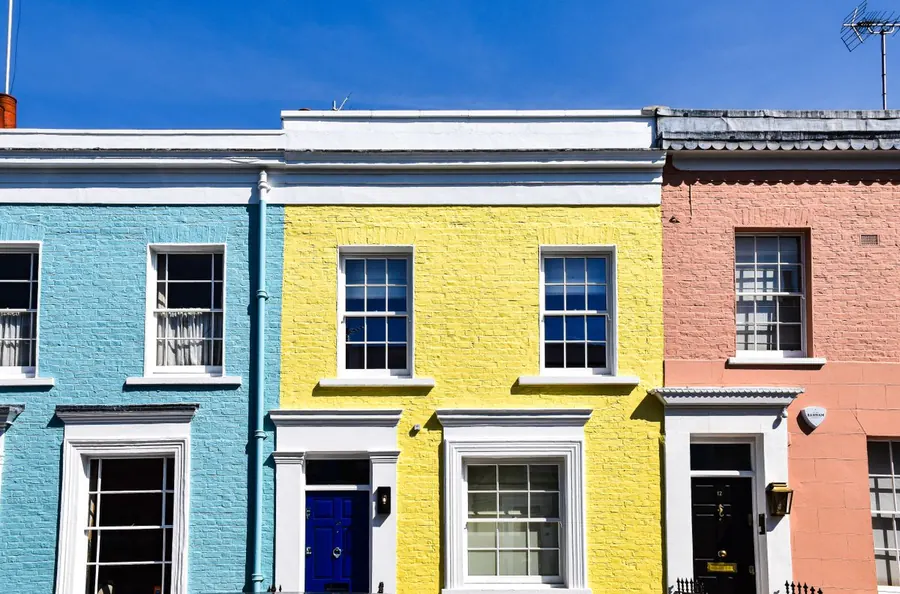
On terraced roads where the front wall meets the pavement, any scaffold or tower on the footway needs a licence from the council, and sometimes a parking bay suspension for the delivery. Allow a couple of weeks for that. Semis add a different problem: the fascia often runs continuously across both houses, with one joint at the party wall. Replacing your half leaves a visible step in colour and height, so it’s worth talking to next door. Do both halves together and you split one scaffold bill. The roofline also ends up straight, which matters more than people think when the two houses are painted the same.
Frequently asked questions
How can I tell if my fascia boards need replacing rather than painting?
Press a screwdriver into the bottom edge of the board in a few places, especially near joints and under any gutter outlet. If it goes in easily or the timber feels spongy, that section has rot and paint will only hide it. If the screwdriver barely marks the wood and the only problem is flaking paint, the board can usually be rubbed down and repainted. One soft section can be cut out and spliced; soft patches all along the run mean replacement.
Could the soffits on my 1960s or 1970s house contain asbestos?
They could. HSE lists white asbestos insulating board soffits among the common places asbestos turns up, and houses built or refurbished before 2000 are the ones to be careful with. You cannot tell by looking. Don't drill, cut or snap a suspect board. We have a sample analysed first, and if it is asbestos insulating board the removal goes to a licensed contractor before any new roofline is fitted.
Can you replace fascias and soffits if birds or bats are nesting in them?
Not while an active nest or a bat roost is there. Damaging a wild bird's nest while it is in use or being built is an offence, and bats and their roosts are protected all year round. Birds usually mean waiting until the young have fledged, so we plan for late summer or autumn. A suspected bat roost needs advice from the National Bat Helpline, and possibly a survey, before work starts.
Is aluminium guttering worth the extra money on a Hounslow house?
Sometimes. Seamless aluminium is stiffer than plastic, does not go brittle in the sun and lasts a long time, so it suits long straight runs and owners who plan to stay put. On a typical semi with a short front run and a back addition, good quality uPVC fitted to the correct fall does the job for a lot less. We price both if you ask, and the gap is usually clear once the lengths are measured.
Useful? The survey's even better
Free roof surveys across Hounslow and west London, with photographs and a fixed written quote to follow.