
21 September 2026
Roof Repair Costs In Hounslow 2026: A Price Guide By Job
What each roof repair actually costs in Hounslow, job by job, from one slipped tile to a full valley rebuild - plus what pushes the figure up or down.
Nobody rings a roofer to find out a price range. They ring because water is coming in, or a tile is lying on the front path, and what they want to know is whether this is a two hundred pound morning or a five thousand pound problem. The spread is narrower than most people fear. Of the repairs we price across Hounslow, the large majority land under £1,000 and a good half come in under £400. What pushes a figure up is rarely the material, because tiles and lead cost roughly the same in Heston as they do in Halifax. It is the access, the height, and the London overhead sitting behind every quote in a borough of 290,000 people whose streets were laid out long before anyone needed to park a scaffold lorry on them. Here is what each job costs, and where paying less costs more.
Watch: the price bands, and why scaffold shifts the number more than tiles do.
Tiles: the smallest job on the list, and the easiest to overpay for
A single slipped or cracked tile refixed sits at £120 to £280 around Hounslow, assuming the roof can be reached safely from a ladder and the tile has a match. Almost none of that is the tile. It is the visit, the working at height, and someone standing behind the repair afterwards. A handful of tiles in the same area rarely multiplies out - once the ladder is up and the roofer is on the slope, the second and third tiles are closer to £30 to £60 each than another full callout. Our roof repair cost page sets out the same bands alongside the bigger jobs if you want them in one place.
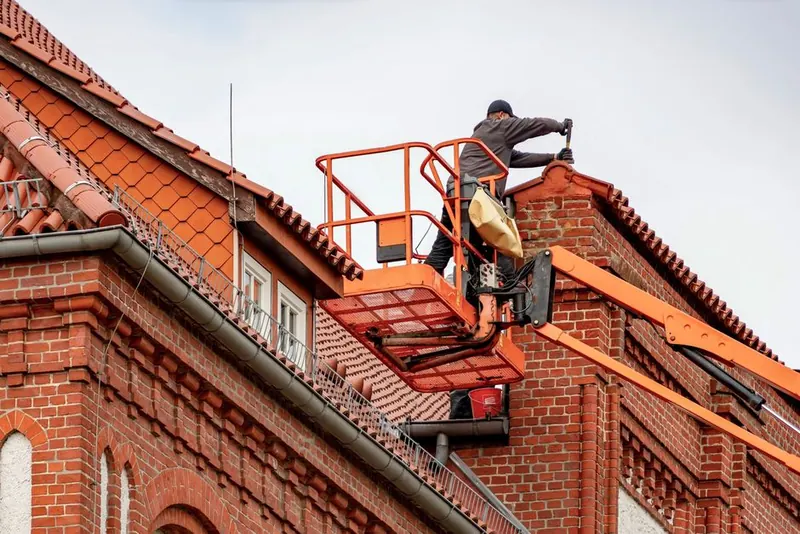
Two things move that figure. The first is matching. Hounslow’s interwar estates were built in a short burst, so an unusual number of its roofs carry tiles that went out of production together, and finding one can take longer than fitting it. We wrote about that in detail in our guide to matching replacement roof tiles. The second is why the tile moved. One tile off a ninety year old roof after a gale is wear. Three tiles off the same slope in two winters is a nail or batten problem, and every individual tile refixed on that slope is money spent on a symptom.
One thing worth asking about at this end of the price list: what is the tile actually being fixed with? A tile dropped back onto its nibs looks identical from the pavement and costs the roofer four minutes. It also comes off again in the next serious wind.
Ridge and hip lines, and why roofers price them by the metre
Ridge work is the single most common medium sized job on Hounslow’s semis, and it gets priced by the metre because that is genuinely how the labour scales. Stripping the old mortar, cleaning the tiles, re-bedding them on fresh mix and pointing the joints runs roughly £45 to £95 a metre here once access is sorted. A typical semi has eight to ten metres of main ridge, which is where the £450 to £1,300 range for a full ridge line comes from - the low end is a short run reached off a tower, the high end is a longer run needing a scaffold and a few replacement ridge tiles.
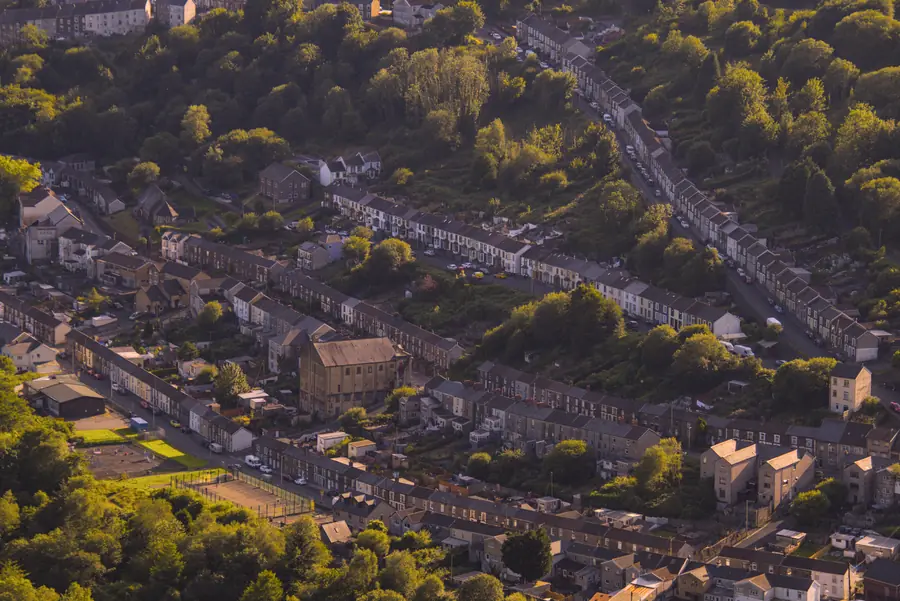
Hips cost more per metre than ridges, usually by a fifth or so, because a hip sits at an angle, needs a hip iron at the bottom and is an awkward position to work in. Patch pointing either of them is the saving that never pays. Fresh mortar butted up against tired mortar will not bond to it, so the patch sheds within a few seasons and you are back on the same run. Once about a third of a line has gone, doing the whole thing is the cheaper job over ten years.
A dry ridge system, where the tiles are mechanically fixed to a batten under a ventilated roll instead of bedded in mortar, adds roughly £15 to £25 a metre. This is the one place on the page where we would push most people towards the dearer option. Mortar has no moving parts and no tolerance for movement either, and an exposed ridge in west London gets plenty of both.
Valleys: patch it, reline it, or rebuild it
A valley is the gutter formed where two roof slopes meet, and on a Hounslow semi there is usually one where the main roof meets the back addition. When it leaks, you get water in the middle of a bedroom ceiling rather than at the edge, which is why valley leaks so often get misdiagnosed as a chimney problem. A small repair - resetting a few slipped tiles along the edge, patching a split at the bottom, clearing the debris that caused it - is £250 to £600.
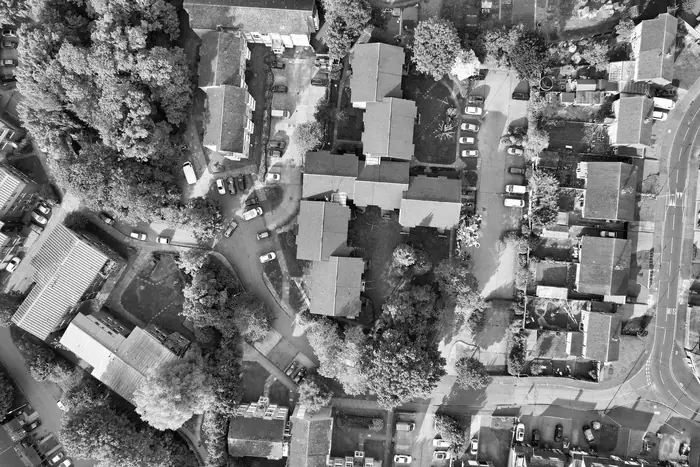
A full rebuild is a different animal: tiles off both sides, old lead or felt out, rotten valley boards replaced, new lead laid in proper lengths with the right laps and clips, then the tiles cut back in. That is £600 to £1,800 per valley. The spread comes down to lead versus a fibreglass liner, and to how much of the timber underneath has gone soft. Lead costs more up front and lasts decades longer.
Be wary of a valley “repaired” with flashing tape or bituminous paint. Both look convincing for a season and both let go at the laps, because a valley moves and carries more water than anything else on a pitched roof. Under two hundred pounds for a leaking valley means somebody is painting over it.
Lead work and chimneys, where half the bill is getting there
Replacing the lead flashing where a roof meets a chimney is £250 to £700 if the stack can be reached from a ladder, and comfortably double that once a scaffold is involved. Abutment flashing, the run of lead where a roof meets a wall - a rear extension against the main house, most often - is £200 to £500 a run. Lead is priced by code and by weight, so a proper job uses more of it, and a quote that comes in well under the pack tends to be using a code too thin for the position.
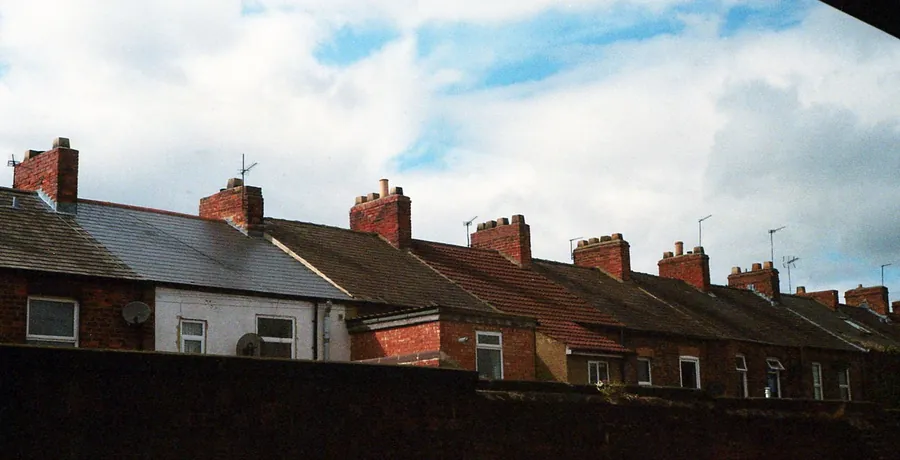
Chimneys cost more again. Repointing a stack, renewing the flaunching around the pots and fitting a cap comes to £900 to £2,500 in the borough, and roughly half of that is getting to it rather than the brickwork itself. A stack in the middle of a terrace with no side return is at the top of the band before anyone lifts a trowel. Taking one down or rebuilding it starts around £2,000 and passes £5,500 depending on height and what turns up once the scaffold is there.
Which brings us to the cheapest fix on this page and the worst: a smear of sand and cement over failed flashing, sometimes with mastic over the top. It is the most common thing we find when tracing a damp chimney breast in Hounslow. Mortar and lead move at different rates, the joint opens every summer, and the stain comes back in exactly the same shape.
Flat roofs: a patch, an overlay, or the whole garage
A genuine patch repair on a sound flat roof - one split, one blister, one lifted lap - is £220 to £700 and is the right answer when the rest of the covering has life left. The honest test is the rest of the roof. If the felt is crazed all over, the patch is a way of spending money twice, and a straight roofer will say so at the survey rather than take the easy few hundred.
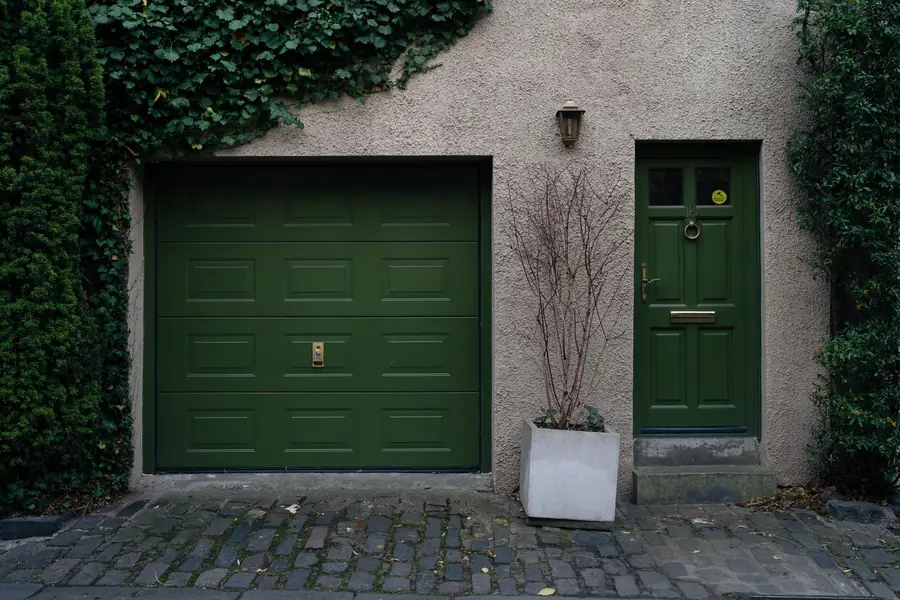
Re-covering a garage or extension flat roof is £1,700 to £4,800. A single garage in three layer felt lands near the bottom; a larger extension in EPDM rubber with new edge trims, a fresh deck and upstands dressed into the wall sits well up the band. The wildcard is always the deck. Nobody can tell you the condition of chipboard under twenty years of felt until it is off, which is why any quote for a flat roof should say in writing what happens if the boards are wet, and at what rate.
Overlaying new felt straight over old is the classic saving, and it works for a while. What it also does is trap whatever moisture is already in the deck, so the boards carry on rotting under a sound looking surface, and the eventual strip costs more than it would have done. On a garage nobody parks in, that trade might be worth it. Under a bedroom, it is not.
Gutters, downpipes and the two in the morning make-safe
A gutter clean and full system check on a semi is £80 to £180, and it is the best value item on this page by a distance. Re-levelling a run or replacing a section of uPVC is £160 to £520; a single downpipe section or a new shoe and bracket set is £90 to £250. Cast iron on the borough’s older stock is surveyed and quoted per job, because the fixings, the paint and the weight all change the labour. If your house has a gutter that runs behind the parapet rather than along the eaves, our piece on parapet gutters on Hounslow’s older terraces covers why those fail differently.
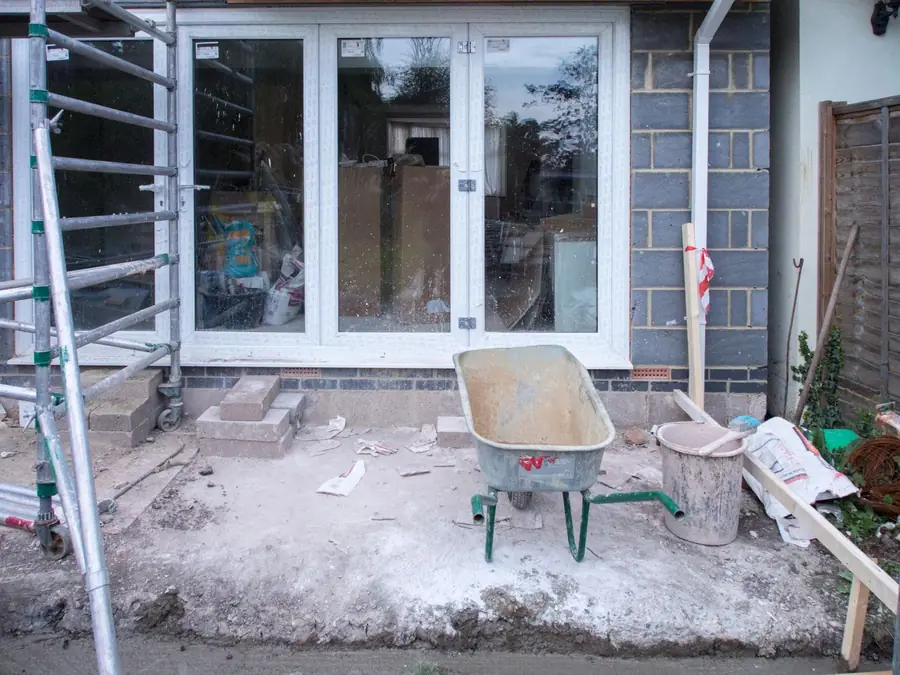
An emergency make safe is its own category. Sheeting an exposed area, strapping down a lifted covering or pulling a loose tile off before it falls on someone is typically £180 to £450, with an out of hours premium on top. What you are buying is time, not a repair - the sheet keeps the weather out until the real job can be scheduled and the access arranged. Anyone quoting a full permanent repair over the phone at eleven at night, sight unseen, is guessing.
The reason the gutter clean is such good value is arithmetic. A blocked outlet pushes water down the wall behind the downpipe, which soaks the brickwork, which takes plaster and sometimes a lintel with it. A hundred pound visit each autumn against the cost of a damp wall is not a close call.
What actually moves the number
Access comes first and it is not close. Ladder work is the cheapest way to reach a roof and covers most single tile jobs. A tower is a modest hire. A scaffold is £500 to £1,200 an elevation in Hounslow and turns a £300 job into a £900 one on its own. That is not a markup. The HSE’s guidance on working at height decides whether a ladder is acceptable for a given task, and no honest roofer prices around it.

Then labour. A London day rate sits somewhere between a fifth and a third above the same day in a Midlands town, which is not greed but the cost of living and working inside the M25. Then the minimum callout, usually £150 to £250, which is why one tiny job on its own is poor value. Then height and pitch, because a steep three storey Victorian terrace needs more kit and more time than a shallow 1930s hip. Then the covering itself: concrete interlocking tiles are cheapest to buy and handle, clay plain tiles need far more of them per square metre, and natural slate is dearest and least forgiving of a clumsy repair. Last, matching, which costs nothing in materials and can eat half a day in phone calls.
VAT belongs on this list too, because it is a fifth of the bill and quotes are not always clear about it. Standard rate applies to ordinary domestic repairs. HMRC’s guidance on VAT for building work sets out the narrow cases where a reduced rate can apply, mostly properties empty for two years or more. Worth a question if that is you; irrelevant to almost everyone else.
What Hounslow adds that a national price list misses
Most of the borough is terraced or semi detached, built in a burst between the wars, and that housing pattern decides more about your bill than anything on the roof itself. Terraces have no side access, so materials and waste go through the house or over the top. Semis usually have a side return, which is the single best cost saver available to a Hounslow homeowner - if a crew can get a tower and a barrow down the side, an entire scaffold line can disappear from the quote. Mention it when you ring.
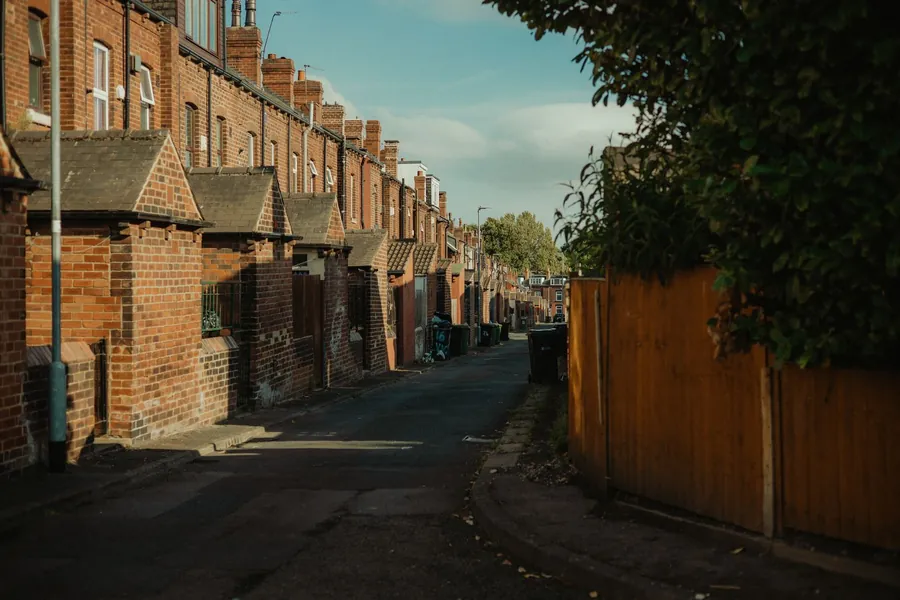
Then the street. Anything standing on a public footway here needs permission, and the council handles scaffolding, hoarding and stored materials through its highways licensing team. On a controlled parking street you will also be paying to suspend bays so the scaffold lorry can stand. Neither fee is enormous on its own, and both need lead time, which is the part that catches people out. We set the full picture of those charges out in our guide to what a new roof costs in Hounslow.
The last local factor is the flight path. Under the Heathrow approach, roofs in Cranford, Hatton, Feltham and parts of Hounslow West take a kind of wear that roofs elsewhere do not, and a repair under that belt needs fixings specified for it rather than tiles laid loose on their nibs. It does not change the headline price by much. It changes how long the repair lasts, which is the number that actually matters.
Every figure here is a guide. A roof is a physical object with a history, and the only way to turn a band into a price is to get up there and look. We do that for nothing, and we put the access on the quote as its own line so you can see exactly what you are paying for.
Frequently asked questions
How much is it to replace one slipped tile in Hounslow?
Somewhere between £120 and £280 if the tile can be reached safely off a ladder and a matching tile is available. That figure is not really the price of a tile, which costs a couple of pounds. It is the price of a competent person turning up, working at height, fixing the tile properly and taking responsibility for it afterwards. If the roof needs a tower or a scaffold to reach, add the access cost on top, and if the tile is out of production, add the hunt for a match.
Why do roofers charge a minimum callout even for a tiny job?
Because the small job costs them a morning. Loading, driving across west London in traffic, parking somewhere legal, setting up, doing twenty minutes of work, packing down and driving back is most of a half day gone. Most Hounslow firms, including us, work to a minimum of roughly £150 to £250 for a short visit. The sensible move is to bundle: if a tile has slipped, get the gutters checked and the ridge looked at in the same visit rather than paying three lots of travel over a year.
Is a cheap repair ever a false economy?
Often, and the tell is usually mortar or mastic. A bead of sealant smeared over a failed lead flashing costs a fraction of replacing the lead and buys perhaps two winters before the movement opens it up again. Tiles bedded on fresh mortar over a rotten batten do the same. As a rough rule, if the fix is cheap because it skips the thing underneath - the batten, the lead, the deck, the sub-structure - it is borrowed time rather than a repair.
Do I pay VAT on a roof repair?
On a normal domestic repair, yes, at the standard rate, and any quote from a VAT registered firm should say clearly whether the figure includes it. There are narrow exceptions set out by HMRC, mainly for homes that have been empty for two years or more and for certain conversions, where a reduced rate can apply. They are worth asking about if your property fits, but they do not cover the everyday slipped tile or leaking valley.
How long should a roof repair last before it needs doing again?
A properly refixed tile should last as long as the tiles either side of it, which on a Hounslow interwar roof means decades. Re-bedded ridge mortar has a realistic life of fifteen to twenty five years; a dry ridge system fixed mechanically should outlive it. New lead to a chimney, if the right code and detailed correctly, is a thirty to fifty year component. If any of these come back within five years, the problem was never the thing that got repaired.
Useful? The survey's even better
Free roof surveys across Hounslow and west London, with photographs and a fixed written quote to follow.