
16 October 2026
Roofers In Isleworth And Osterley: From Church Street To Jersey Road, One Street Type At A Time
Need roofers in Isleworth or Osterley? A walk from the riverside to Osterley Park covering the conservation areas, the roofs on each street, typical faults and prices.
Isleworth is the oldest part of our patch and Osterley is one of the newest, yet they sit only a couple of miles apart in TW7. Start on Church Street by the Thames and walk north and the roofs date themselves as you go. First come eighteenth-century riverside houses next to a fifteenth-century church tower, then late Victorian terraces off South Street, then Henry Daniel Davies’s 1850s villas in Spring Grove. Past the Great West Road, opened in 1925, the interwar semis take over until you reach the park wall on Jersey Road. Four of Hounslow’s 29 conservation areas fall along that route. Roofers in Isleworth and Osterley therefore have more planning questions to deal with than in most of the borough, and more variety in what is actually on the roof. This guide follows the walk one street type at a time, with the usual faults, the council’s position and what the work costs.
Roofers in Isleworth and Osterley: why the route matters more than the postcode
Two houses with the same TW7 postcode can need completely different roofers. A 1930s semi on a road off the Great West Road wants someone who is quick at ridges, hips and plain tiles. A listed house on Church Street wants someone who knows what listed building consent covers and can find slate that matches. Before you ask anyone for a price, it helps to know where your house sits on the walk below, because the street type predicts both the fault and the paperwork.
The quick version runs like this. The riverside and South Street are inside the Isleworth Riverside conservation area. The Four Roads and the late Victorian streets around Talbot Road are inside it too, which surprises plenty of the people who live there. Spring Grove has its own conservation area north of London Road. Jersey Road, the streets around Jersey Gardens and the Wyke Gardens area sit in the Osterley Park conservation area. The long runs of interwar houses to the west, between the Great West Road and the park, are mostly outside any of them. Our Isleworth roof repairs page covers the services we offer here. The rest of this post explains what each stretch is like up on the roof.
Church Street and the riverside: the borough’s biggest conservation area
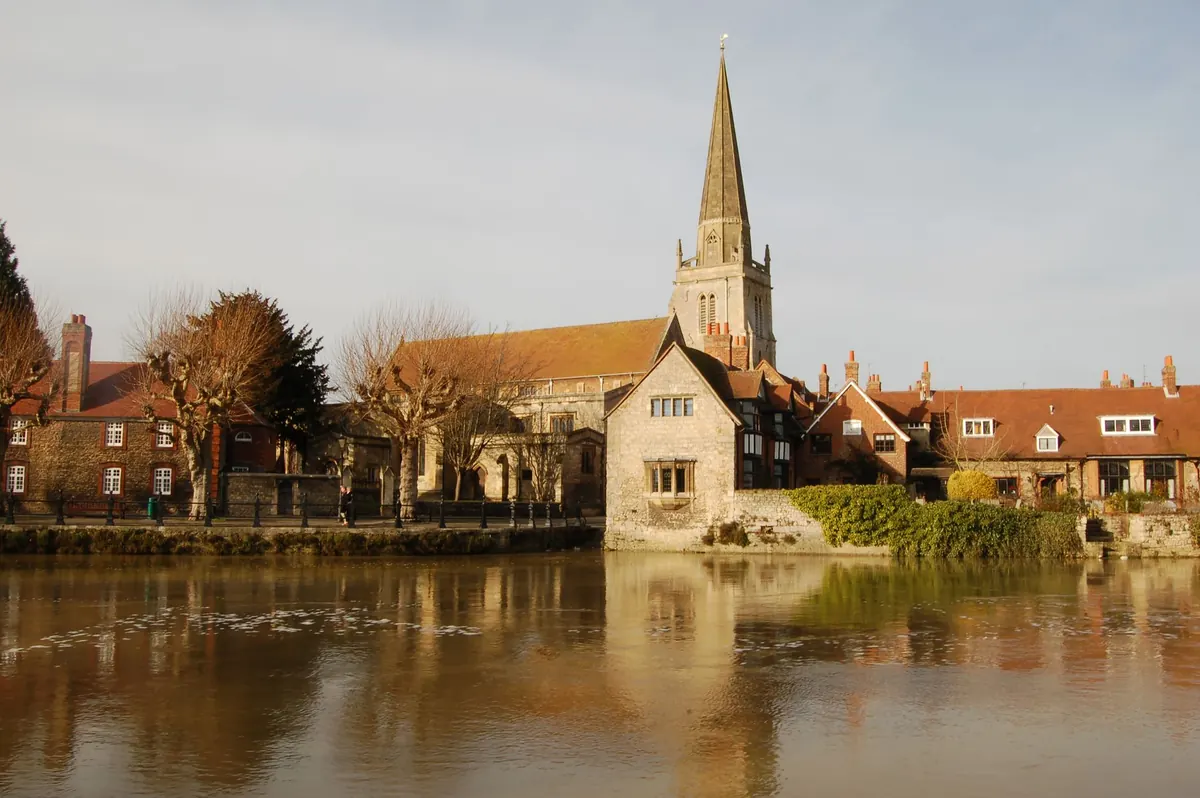
Isleworth Riverside was designated on 11 November 1972 and extended in 1993. Hounslow’s Isleworth Riverside conservation area appraisal calls it the largest conservation area in the borough, and it runs from Syon Park through the old village to the River Crane. On Church Street you get All Saints’ Church with its fifteenth-century tower, the London Apprentice, the slipway and a row of houses built over two hundred years. Syon House is listed at Grade I, and plenty of the smaller buildings near it are listed or locally listed as well.
Up on the roofs it’s a mix: old handmade clay tiles, Welsh slate, the odd parapet and box gutter, dormers that have been rebuilt three times over and lead that should have been replaced a generation ago. On a listed building, any work that affects its character needs listed building consent, and that includes a full strip and re-lay. Replacing a few slates like-for-like doesn’t. Fitting machine-made tiles where the handmade ones used to be does. The appraisal lists flooding and the loss of original features among the area’s weaknesses. It also says matching materials and traditional methods should be encouraged, and that roof extensions should be small and follow the shape of the original roof.
The river affects the practical side too. Some houses face the Thames Path or a lane too narrow for a lorry, so tube, slate and old tiles go in and out by hand. Spring tides can cover the riverside road. We check the tide tables before we book scaffold deliveries near the water, and we put that time into the quote at the start.
The Four Roads and Talbot Road: terraces behind the old village
South of South Street, Byfield, Algar, Tolson and Worple Roads make up what locals call the Four Roads. The houses went up in the late nineteenth and very early twentieth century on old market garden land, and stretches of the garden walls, some of them thirteen feet high, are still standing. Further south, the streets around Talbot Road are long runs of two-storey Victorian terraces, some flat-fronted and some with bays and parapets. The 1993 extension brought both areas into the conservation area.
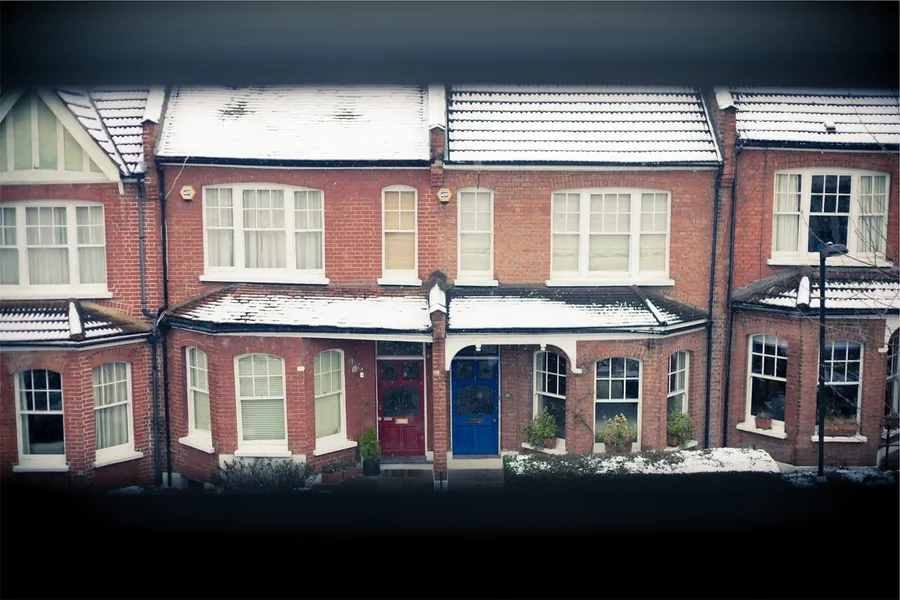
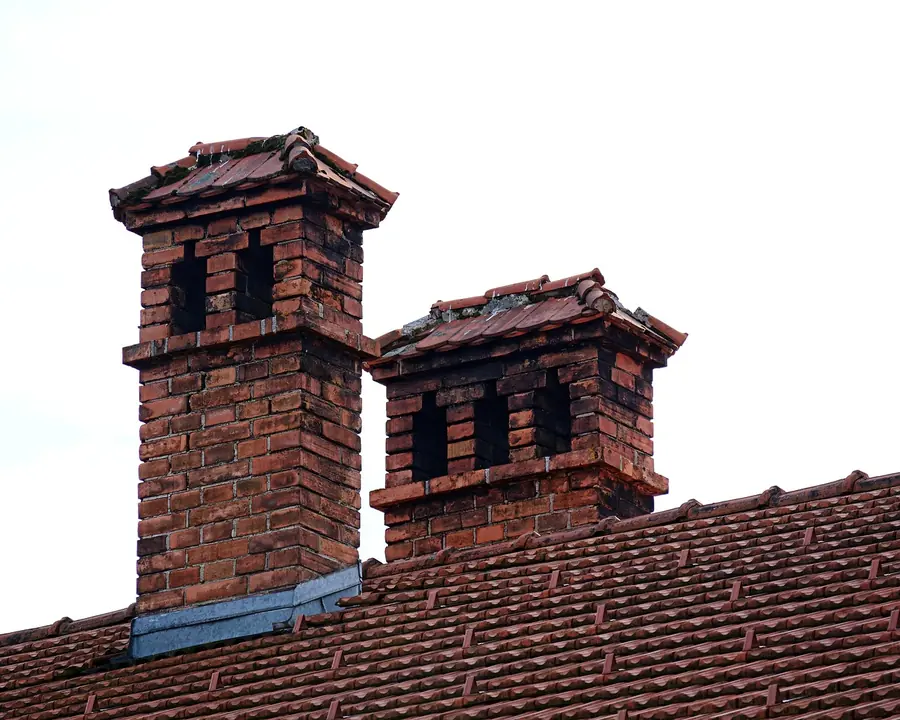
Most of the faults here come with the age of the houses. The slates are usually Welsh and still sound, but the iron nails holding them have rusted away, so slates slip out in ones and twos and you end up calling someone every winter. The party stacks are shared with next door, so when one side’s flashing fails, damp can show up in either house. Where there’s a parapet at the front, the valley gutter behind it holds water on a blockage and then floods through the ceiling, often well away from where the blockage is.
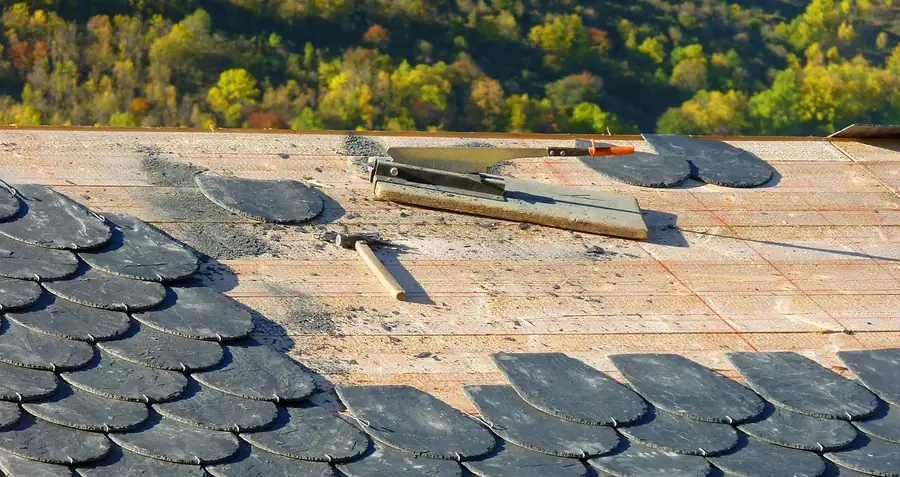
Once slates are slipping on more than one slope, a strip and re-lay is usually better value than more patching. The good slate is taken off and stacked, new battens and a breathable membrane go on, and the slate goes back with copper nails, with reclaimed Welsh slate making up any shortfall. Done like that it needs no planning application, even inside the conservation area, as long as it goes back looking the same. Swapping slate for concrete interlocking tiles would be another matter, and on these streets nobody should be suggesting it.
Spring Grove: Davies’s villas and the faux Bath stone
Spring Grove is where roof jobs in TW7 get big. Henry Daniel Davies, a lawyer who speculated in property, bought Spring Grove House in 1850 and another 228 acres at auction in 1853. By 1855 he had laid out Osterley Road, Thornbury Road and Eversley Crescent as an estate of large villas in big gardens, and according to the council’s Spring Grove conservation area appraisal nearly a hundred houses had been built by 1877. Andrew Pears, of the soap family, did not arrive until 1886, when he bought Spring Grove House and rebuilt it. The conservation area was designated in April 2002.
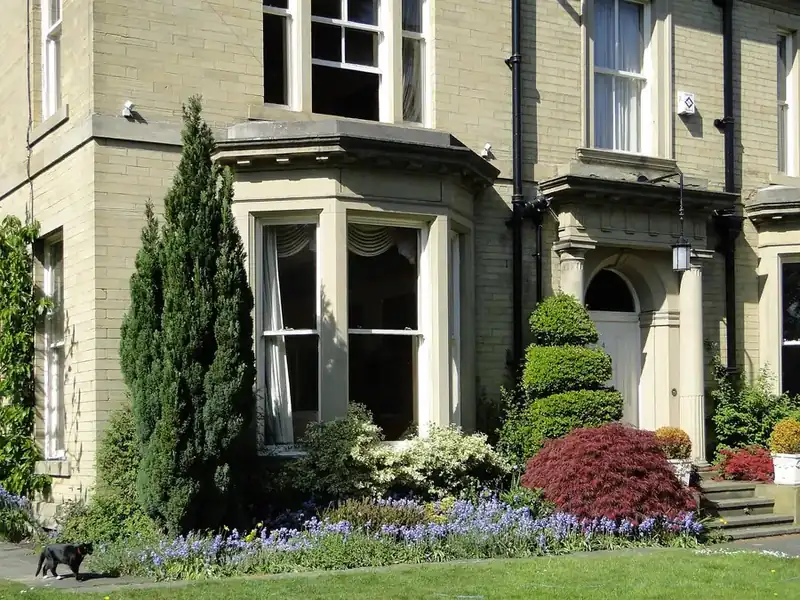
What makes the early houses unusual is the walling. Davies faced them in large lipped terracotta blocks laid with fine joints to imitate Bath stone ashlar. It chips easily at the eaves and around the stacks, and a smear of grey cement mortar beside it never weathers in. A roofer who has not seen it before tends to find that out the hard way. The classical villas tend to have shallow slate roofs behind deep eaves, with big stacks, long valleys and hips. The later infill varies more, from smaller villas along Thornbury Road to Arts and Crafts semis with steep tiled roofs and full-length dormers on Moreton Avenue.
Spring Grove has no Article 4 direction, so a like-for-like re-roof of a house needs no application. Enlargement is where the council gets cautious. Its appraisal says high property values drive demand for roof extensions, and it warns that large dormers are likely to be obtrusive and that the gaps between buildings are part of the area’s character. If you’re thinking of a loft conversion, speak to the conservation team before anyone draws anything. Many of the big villas are now flats, and flats have no permitted development rights for roofs, so an application and a word with the freeholder will both be needed.
Jersey Road, Jersey Gardens and the 1930s semis around Osterley
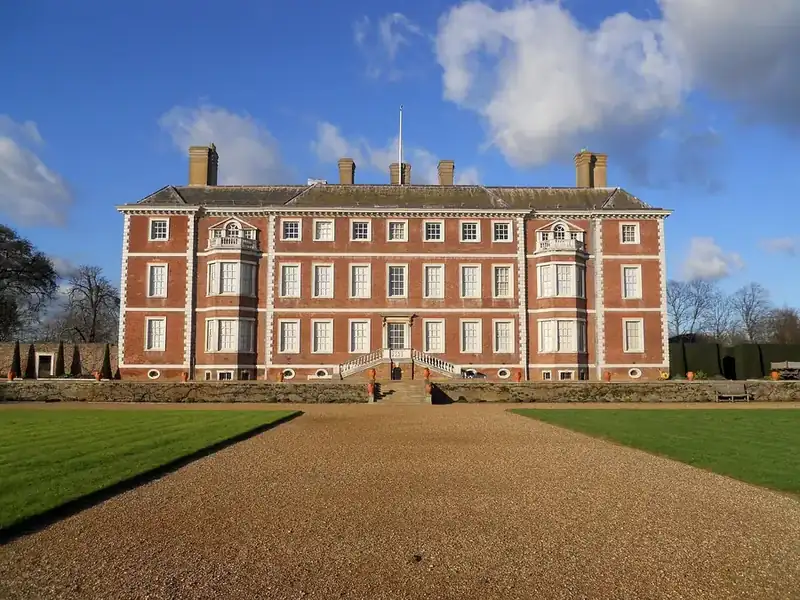
North of the Great West Road the houses change again. The Osterley Park conservation area, designated on 19 April 1988, covers the National Trust house and park along with the houses around its edge. On Jersey Road these are mostly early twentieth-century detached and semi-detached houses, many of them half-timbered, with two listed survivors at the western end. Around Jersey Gardens, which was laid out on an old brickfield during the 1930s building boom, there are interwar streets along with a few older buildings by the old Osterley Park and Spring Grove station on Thornbury Road. The appraisal mentions the integrity of the roofs on these houses as part of what frames the park.
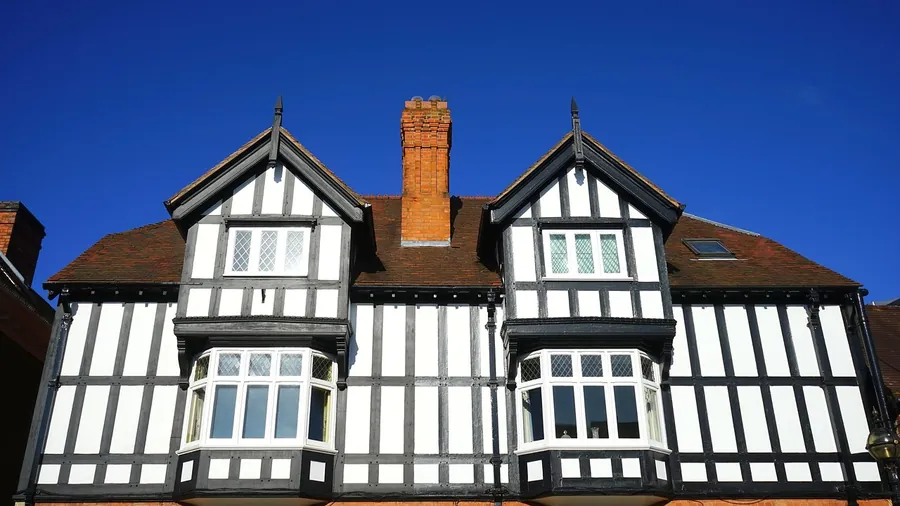
West of there, and through most of Osterley outside the conservation area, it’s row after row of interwar semis and short terraces. The roofs are usually hipped and covered in small clay or concrete plain tiles, with a tile-hung or half-timbered bay, a central stack shared by the pair and a valley wherever the bay roof meets the main slope. We get called out to the same three faults again and again. The ridge and hip bedding is the original mortar and has cracked. The plain tiles have lost their nibs and slid. The valley under the bay roof has worn through. Plenty were built with no underlay at all, just tiles on battens with mortar torched up underneath, and that torching has long since dropped onto the loft insulation.
Outside the conservation area, a re-roof in a different tile is usually permitted development as long as it looks similar. Inside it, especially along Jersey Road, the council will expect the existing tile type and the bay detailing to go back as they were. Concrete interlocking tiles on a half-timbered Jersey Road semi would undo the kind of detail the appraisal values.
Under the approach: aircraft, the M4 and the Great West Road
Isleworth sits under the westerly approach to Heathrow, so on most landing days the arrivals pass low over the rooftops. Now and then a wake vortex from a passing aircraft lifts a few tiles or a section of ridge, almost always on calm days with nothing else to blame. Heathrow runs a scheme that inspects and repairs vortex damage at no cost to the homeowner. Our guide to wake vortex roof damage explains how it works and what evidence to keep.

The aircraft get the blame, but traffic causes more of the general wear. The houses closest to the Great West Road and the M4, which cut through the north of Osterley Park in 1965, get a steady layer of grime in their gutters and on their north slopes, and moss grows faster on it. Loose bedding plus vibration is the usual reason ridge tiles end up on the front path of an interwar semi here. When we survey a house in TW7 we check the ridge and hips as a matter of course, even if you’ve called about something else.
What roof work costs in Isleworth and Osterley
Our rates are the same in TW7 as anywhere else in the borough. What moves the price here is the house: how big it is, how the roof is covered, whether a scaffold has to go over a front garden or along a narrow lane, and whether consent drawings are needed first. Parking adds up too. Hounslow charges £25 a space a day plus a £40 admin fee to suspend a bay, and most streets near Isleworth station and along London Road are in a controlled parking zone.
These are the figures we have been quoting in TW7 this year. They are guides, not quotes, and each job is priced after a survey.
| Job | Where it comes up | Typical range |
|---|---|---|
| Refixing slipped slates or tiles from a ladder | Anywhere | £120 to £280 |
| Rebedding a ridge and hips, or fitting a dry ridge | 1930s semis around Osterley | £450 to £1,300 |
| Relining the valley over a bay roof | Interwar semis, Spring Grove infill | £600 to £1,600 |
| Repointing and reflashing a shared stack | Four Roads, Talbot Road terraces | £900 to £2,500 |
| Strip and re-lay in Welsh slate | Victorian terraces in the conservation area | £10,000 to £16,000 |
| Full re-roof in plain tiles, scaffold and building control included | Hipped interwar semi | £11,000 to £17,000 |
| Re-roof on a Spring Grove villa or listed Church Street house | Conservation area, often consent needed | Priced from survey |
A full re-roof also has to be signed off under building regulations, either through a competent person scheme or a building notice to the council, whatever the planning position. If you want to compare how this corner differs from the other end of the borough, our post on roofers in Chiswick and Brentford covers the Bedford Park rules, which are stricter than anything in Isleworth.
Questions to ask a roofer before you hire them in TW7
Plenty of firms will quote for a roof in Isleworth, but fewer will know which conservation area you’re in without looking it up. Start by asking. Anyone who works here regularly should know that the Four Roads are inside Isleworth Riverside and that Jersey Road is inside Osterley Park. Then ask what goes back on the roof. The answer should be a named tile or slate matched to a sample from your roof, with reclaimed Welsh slate on the older streets where it’s needed.
Get the quote in writing, with scaffold, materials, lead, disposal and building control each priced on their own line. Ask who books the parking suspension, because Hounslow needs notice. On a Spring Grove villa, ask how they’ll protect the terracotta facing at the eaves. Be wary of anyone who wants to drop a stack on a riverside cottage to save a few hundred pounds, or who calls concrete tiles “just as good” on a Jersey Road semi. On a listed building neither would get consent, and on Jersey Road both would spoil exactly what the conservation area is there to protect. The council’s conservation officers are happy to talk a job through on the phone, and a ten-minute call costs nothing.
We’re based in Heston, ten minutes from Isleworth along the A4. Every job starts with a free survey and a written report with photos. If the house is in a conservation area we say so, explain what the council will expect and price any consent work as its own line.
Frequently asked questions
Which conservation areas cover Isleworth and Osterley?
Four of Hounslow's 29 conservation areas fall in this part of TW7. Isleworth Riverside, designated in 1972, takes in Church Street, South Street, the Four Roads and Syon Park and is the largest in the borough. Spring Grove, designated in 2002, covers the Victorian estate laid out by Henry Daniel Davies. Osterley Park, designated in 1988, covers the park and the houses along Jersey Road and around Jersey Gardens. Woodlands Grove is the fourth. Hounslow's interactive map shows whether your address is inside one.
Do I need planning permission to replace the roof on my Spring Grove house?
Not for a like-for-like replacement on a house, where the same material goes back in the same way. Spring Grove has no Article 4 direction, so ordinary conservation area rules apply. Where it gets harder is enlargement: the council's appraisal names roof extensions as a pressure on the area and says large dormers are likely to be obtrusive, so a big rear dormer or a hip-to-gable conversion should be discussed with the council first. Flats have no permitted development rights for roofs.
My 1930s semi near Osterley keeps losing ridge tiles. Is that normal?
It is common rather than normal. Most interwar semis around Osterley and Spring Grove still have their ridge and hip tiles bedded in the original sand and cement, which shrinks and cracks after eighty-odd years of frost. Once the bedding lets go, wind and the odd low aircraft can lift a tile. Rebedding the ridge or switching to a mechanically fixed dry ridge stops the cycle. On a typical semi with hips that runs from about £450 to £1,300.
How much does a new roof cost in Isleworth?
It depends heavily on the street. A hipped 1930s semi near Osterley usually comes in between about £11,000 and £17,000 for a full re-roof with scaffold, disposal and building control. A Victorian terrace in the Four Roads stripped and re-laid in Welsh slate is typically £10,000 to £16,000. A Spring Grove villa or a listed house on Church Street is priced from a survey, because size, materials and consent work vary too much for a range to mean anything.
Useful? The survey's even better
Free roof surveys across Hounslow and west London, with photographs and a fixed written quote to follow.