
26 October 2026
Roof Repairs On Hounslow Flats, Maisonettes And HMOs: Who Pays And How The Work Gets Done
Roof repairs on Hounslow flats and maisonettes: what the lease says, Section 20 and the £250 line, HMO licensing, access, scaffold splits and urgent leaks.
Ring a roofer about a house with one owner and there is only one decision-maker. Roof repairs on Hounslow flats are rarely that tidy. A bay-fronted Victorian house near the High Street may be split into an upper and a lower flat on separate leases, with a freeholder who lives miles away. An interwar maisonette pair can look exactly like one semi from the road while having two owners under a single roof. A shared house let room by room now needs a licence from the council wherever it is in the borough. Three figures crop up again and again below: £250, the share per leaseholder above which a Section 20 consultation is required; £500 to £1,200, our scaffold charge per elevation; and 24 hours, the written notice a landlord gives a tenant before coming in to inspect. What follows covers who pays, who organises it, and how a repair actually gets carried out when nobody owns the whole building.
Roof repairs on Hounslow flats start with the type of building
Before anyone talks about money, work out which of four arrangements you are living under. Each one puts the roof in different hands, and the right first phone call changes with it.
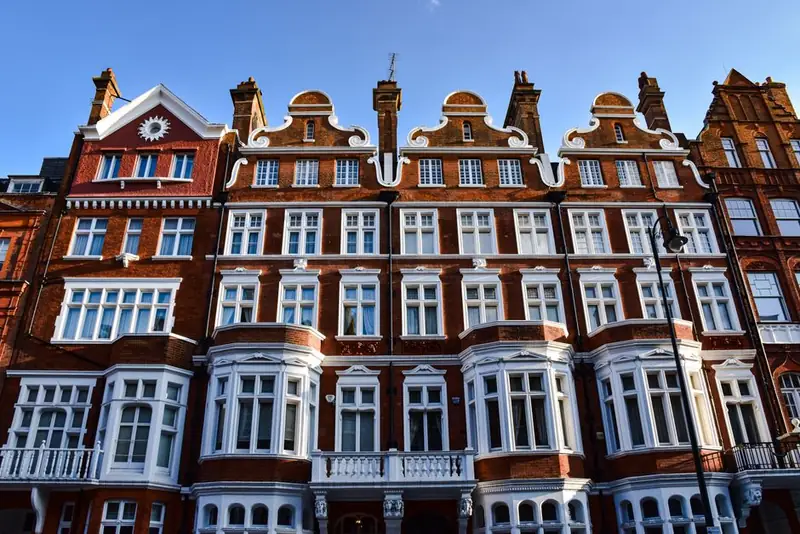
The first is the converted house. Plenty of late Victorian and Edwardian houses in Hounslow, Isleworth, Brentford and the Chiswick end of the borough have been divided into two or three flats, each sold on a long lease. Second comes the purpose-built maisonette, common on interwar streets: two front doors side by side, one flat upstairs and one down, with one roof covering both. Third is the purpose-built block, run by a freeholder, a residents’ management company or, for flats bought under Right to Buy, usually the council. Last is the house in multiple occupation, where one landlord owns everything and the tenants own nothing.
The building type tells you who to call. What it can’t tell you is where the water is getting in, and on a converted house the cause is often a long way from the stain. Our page on roof leak repairs explains how we trace one before anybody starts arguing about the bill.
What your lease says about the roof, and why two-flat conversions vary so much
Start with the lease itself. If you have lost your copy, HM Land Registry will supply one for a small fee, and your conveyancing solicitor should still have one on file. Three parts of it matter here.
The demise is the legal description of what your flat includes, normally with a coloured plan. Some upper-flat leases in converted houses take in the roof space and the roof covering, which makes the roof the top flat’s responsibility. Many others stop at the ceiling joists and leave the roof with the freeholder. Next is the landlord’s repairing covenant, the clause in which the freeholder promises to keep the structure and exterior in repair. Then there is the service charge clause, which sets how the cost is shared out. That might be a straight half each in a two-flat house, or a fixed percentage per flat in a bigger conversion.
Two-flat conversions throw up the widest spread of arrangements. In some, the freeholder repairs and recharges 50/50. In others the upper lease puts the roof on the top flat and the foundations on the bottom one, so each owner repairs their own end. And in plenty of them the two owners bought a share of the freehold, which makes them jointly the landlord. Then the “who pays” question becomes a conversation over the garden fence rather than a letter from a managing agent.
A top-floor loft conversion complicates things further. Whether a new dormer belongs to the top flat or to the freeholder usually depends on the licence for alterations or deed of variation signed when it was built. If nobody can find that paperwork, ask a solicitor before you commission work on it.
Section 20 and the £250 line on roof repairs in Hounslow
When a freeholder, management company or council plans work that will cost any one leaseholder more than £250, it has to consult before it starts. The rule sits in section 20 of the Landlord and Tenant Act 1985, and GOV.UK’s guide to leasehold service charges sets out both thresholds: £250 for planned work, and £100 a year per leaseholder for work or services under an agreement lasting more than 12 months, such as an annual gutter-clearing contract.
In practice the landlord sends a notice of intention describing the work and gives leaseholders 30 days to comment and to nominate a contractor of their own. Estimates follow, with another 30-day window. Skip the process and the landlord can only recover £250 from each leaseholder, unless the First-tier Tribunal grants dispensation.
Run a few of our own prices through that and you can see where the line falls. Re-bedding a ridge costs £450 to £1,300, so split between two flats the top of that range crosses £250 per flat and the bottom doesn’t. A leak traced and repaired at £180 to £950, shared four ways, normally stays under. Scaffold is what usually tips a job over. At £500 to £1,200 an elevation, a repair that needs it will put most two-flat houses over the threshold before a single tile has been touched.
Share-of-freehold owners are technically bound by the same rules where the lease has a service charge, and for a small building with two friendly neighbours the formal notices can feel absurd. Agree the job and the split in writing, at the very least. If one of you sells, the buyer’s solicitor will ask how past works were authorised.
Urgent leaks versus planned work
Consultation takes the best part of two months. A ceiling that’s soaking through can’t wait that long, and the law doesn’t expect it to.

The first visit is usually a make-safe: sheeting, refixing a few slipped tiles, clearing a blocked outlet. Ours typically come to £180 to £450 for the building, which spread across the flats rarely reaches £250 each. For bigger urgent work the landlord can apply to the tribunal under section 20ZA for dispensation, either before the work or after it. The tribunal’s main question is whether leaseholders lost anything by not being consulted, so a freeholder who sends photos and quotes to everyone as it goes is in a much stronger position than one who stays silent.
If you’re the flat getting wet, report it to the freeholder or managing agent in writing the same day, with dated photos. Tell your contents insurer too. Buildings cover in a leasehold building is normally the freeholder’s policy, recharged through the service charge, so any storm claim for the roof goes through them. Our guide to emergency roof repairs in Hounslow and the first moves to make covers the indoor side. One warning: paying a roofer yourself for a roof the lease says belongs to the freeholder, and then asking for the money back, can leave you out of pocket. Get the freeholder’s agreement in writing first unless water is pouring in.
HMO roofs and Hounslow’s borough-wide licensing
An HMO is simpler on ownership and stricter on standards. The landlord owns the roof, the tenants pay rent, and nobody consults anybody. For any tenancy shorter than seven years, section 11 of the Landlord and Tenant Act 1985 makes the landlord keep the structure and exterior in repair, gutters and external pipes included, and no clause in the tenancy can shift that onto tenants.
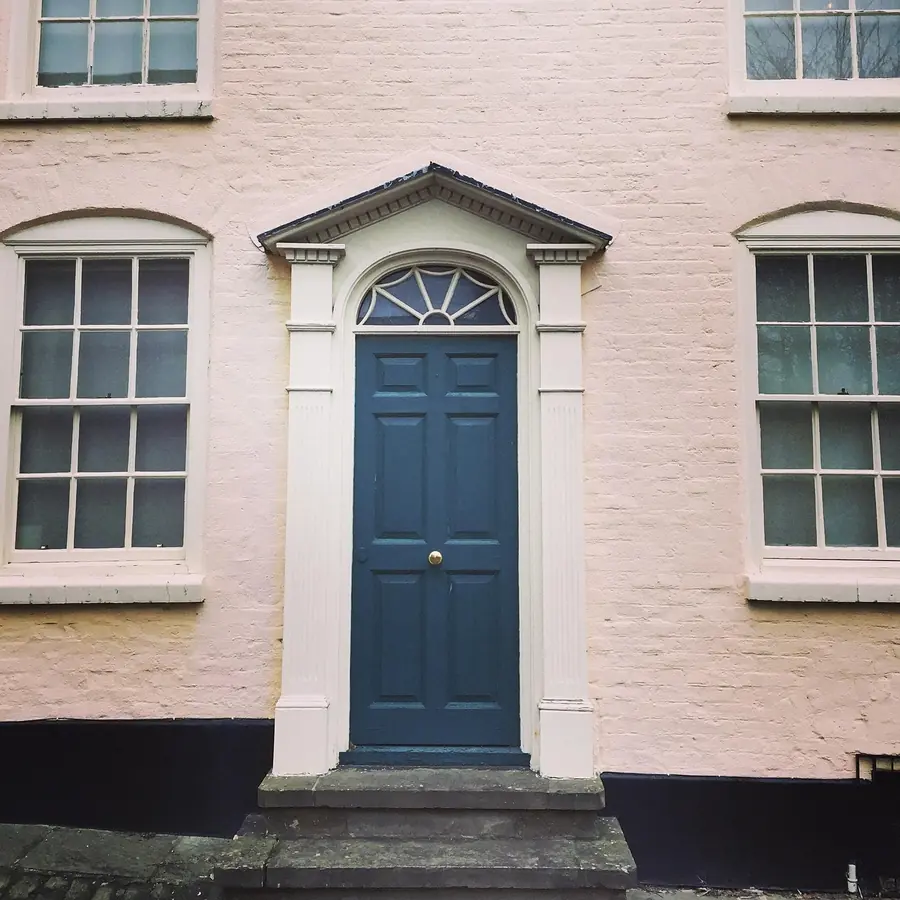
On top of that sits licensing. Hounslow’s additional HMO licensing scheme has applied across the whole borough since 11 December 2025. According to the council’s HMO licensing page, it covers HMOs occupied by three or more people forming two or more households, along with certain converted buildings where the building and all its flats are under the same ownership or control. Bigger shared houses with five or more occupiers already needed a mandatory licence. Every licence carries conditions and a set of HMO standards, and the council can shorten a licence where it has concerns about the physical condition of the property.
A roof leak in a shared house turns quickly into a damp and mould complaint, and councils assess those as hazards under the Housing Act 2004. The landlords who cope best are the ones with a paper trail: a dated roof inspection every year or two, gutter clears noted down, and repairs invoiced with photos. If an environmental health officer ever visits, that file answers most of the questions before they are asked.
Getting into the roof through a flat that isn’t yours
On a converted house the loft hatch is almost always inside the top flat. That’s fine when the top flat owns the problem. It’s awkward when the leak is over the communal stairwell or the downstairs bathroom and the person upstairs works shifts at Heathrow.

Most leases give the landlord, and anyone it authorises, a right to enter on reasonable notice to carry out repairs, with immediate entry in an emergency. Read the clause before you rely on it, because wording varies. In an HMO, section 11 also lets the landlord in to inspect at reasonable times on 24 hours’ written notice to the occupier. Tracing a leak from inside usually needs about half an hour in the loft with a torch, so we try to fix one slot that suits whoever holds the key rather than turning up twice.
Outside, think about where the ladders and scaffold will stand. On a converted house the front garden often belongs to the ground-floor flat. On a terrace where the front wall meets the pavement, the scaffold needs a licence from the council’s highways team. Where the only sensible access is over a neighbour’s land and they refuse, the Access to Neighbouring Land Act 1992 lets you apply to court for an order. That’s rarely needed, because a polite letter with a start date and a promise to make good normally does the job.
Splitting the scaffold and the bill: what a quote for shared roof repairs should show
The scaffold is often the biggest single cost in a small roof repair, and it costs the same whether it supports one job or five. So the cheapest way to get roof repairs done on a Hounslow conversion is to collect the jobs together. If the gutters, the chimney flaunching and a cracked dormer cheek all need attention, do them under one scaffold rather than three.
That only works if the quote separates the communal items from anything that belongs to one flat alone. A rooflight in the top flat’s ceiling might be theirs under the lease, while the ridge above it is shared. We price each item on its own line, with scaffold on a separate line, so a managing agent or two share-of-freehold owners can apply the lease percentages without arguing over a lump sum. Our roof repair costs price guide for Hounslow lists the typical bands for each job.
When the repairs keep coming, the conversation changes. A complete re-roof on a house the size of a typical semi runs to £7,000 to £16,000, which divided between two flats is still a serious bill, and it will always need consultation. If you are paying for scaffold every second winter, read our piece on whether to repair or replace a Hounslow roof before the next notice of intention goes out. Starting that discussion early gives every leaseholder time to plan and save, which nobody gets once the roof has already failed.
Arrange a roof inspection for your Hounslow flat, maisonette or HMO
Frequently asked questions
Who pays for a roof repair on a converted flat in Hounslow?
The lease decides it. In most conversions the freeholder arranges the repair and recharges each flat its share through the service charge, using the percentage or split written into the lease. Some upper-flat leases include the roof, which makes the top flat responsible for it. Where the owners hold a share of the freehold, they are the landlord and agree the split between them.
Does Section 20 apply if the roof repair costs less than £250 per flat?
No. Consultation is only required when any one leaseholder's share of planned work comes to more than £250. Below that, the landlord can recharge the cost in line with the lease. Above it, the landlord must consult first, or it can only recover £250 from each leaseholder unless the First-tier Tribunal grants dispensation.
Can a freeholder carry out an emergency roof repair without consulting the leaseholders?
A make-safe visit usually comes to £180 to £450 for the whole building, so each flat's share tends to sit under the £250 line anyway. For larger urgent work, the landlord can apply to the First-tier Tribunal for dispensation from the consultation rules, before or after the work. The tribunal looks at whether skipping consultation caused the leaseholders any real prejudice.
Does my Hounslow HMO need a licence, and does that change my roof repair duties?
Since 11 December 2025, Hounslow's additional licensing scheme has covered HMOs across the whole borough that are let to three or more people forming two or more households. Larger HMOs with five or more people already needed a mandatory licence. Your repairing duty for the roof exists either way under section 11 of the Landlord and Tenant Act 1985, but a licence adds conditions and standards the council can check.
Useful? The survey's even better
Free roof surveys across Hounslow and west London, with photographs and a fixed written quote to follow.